

Agrivoltaics: Where Agriculture Meets Renewable Energy
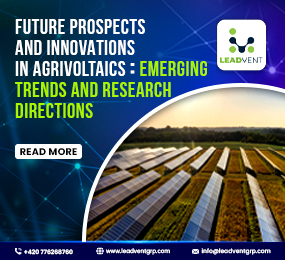
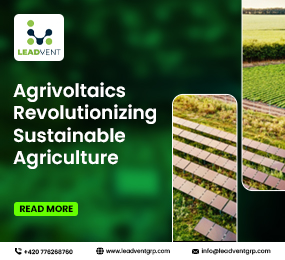
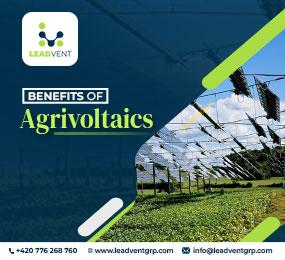
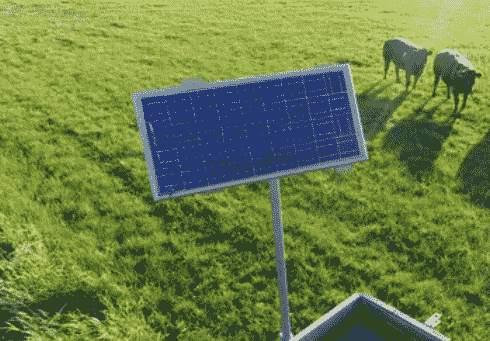
In the face of climate change, food insecurity, and growing energy demand, agrivoltaics has emerged as a refreshing solution that brings two essential sectors together: agriculture and renewable energy. At its core, agrivoltaics is the practice of installing solar panels above crop fields or grazing areas allowing land to be used for both farming and electricity generation.
Traditionally, the tension between solar energy development and agriculture has centered around land competition. But agrivoltaics challenges that idea by proving that dual land use is not only possible, but beneficial. Farmers, energy developers, and communities are beginning to see this synergy as a smart way to enhance resilience, productivity, and sustainability all in the same space.
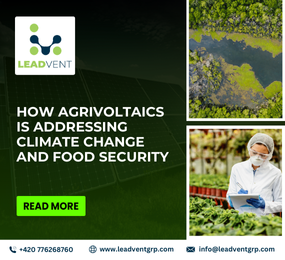
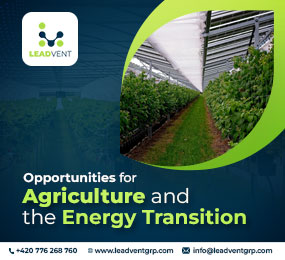
One of the biggest advantages of agrivoltaics is its ability to provide shade for crops. In hot, dry regions, this can reduce water evaporation and heat stress, resulting in healthier plants and better yields. Crops such as lettuce, spinach, berries, and certain herbs thrive under the diffused light created by elevated solar arrays. Meanwhile, the panels continue to generate clean energy, helping reduce carbon emissions and contributing to national climate goals.
For farmers, this dual-use model can also bring economic relief. The ability to lease land for solar energy or benefit from on-site power generation can diversify income, offset utility costs, and provide more financial stability particularly during tough seasons. At the same time, solar developers can work more closely with landowners, avoiding the community resistance that often comes with large-scale land-use changes.
Europe and parts of Asia have taken a leading role in agrivoltaics, with growing pilot projects and commercial installations. In regions like southern France, Japan, and Italy, the approach is already producing measurable benefits for both food production and energy output. Researchers and policy makers are now exploring how to replicate these models at scale, fine-tuning technology designs and land management strategies to ensure long-term success.
Of course, agrivoltaics is not without its challenges. It requires careful planning crop selection, panel height, orientation, and maintenance must all be balanced to ensure both agricultural and energy performance. But with thoughtful collaboration and investment, agrivoltaics offers a forward-looking approach that respects both the land and the communities who rely on it.
Takeaway Point:
Agrivoltaics is more than a clever idea it’s a practical, sustainable solution that brings farming and solar energy together. By maximizing land use and supporting rural
economies, it opens the door to a future where agriculture and clean energy can thrive side by side.
Learn more on our website: https://www.leadventgrp.com/event/4th-annual-agrivoltaics-europe/register
For more information and group participation, contact us: [email protected]
Leadvent Group - Industry Leading Events for Business Leaders!
www.leadventgrp.com | [email protected]






Comment