

Decarbonizing Non-Road Mobile Machinery: Powering a Cleaner Future
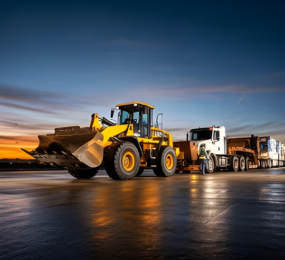
When discussions about emissions arise, most people think of cars, trucks, or airplanes. Yet, one of the lesser-known but significant contributors to greenhouse gas emissions is Non-Road Mobile Machinery (NRMM). These include construction equipment, agricultural machines, mining vehicles, and other off-road engines that power essential industries.
Though often overlooked, NRMM has a direct impact on both local air quality and global carbon emissions. The push to decarbonize this sector is becoming increasingly urgent not only for environmental reasons but also for the long-term sustainability and competitiveness of industries that depend on it.
Why NRMM Matters
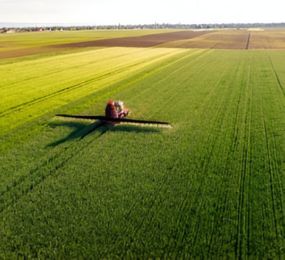
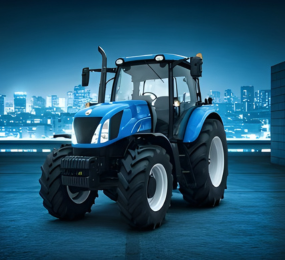
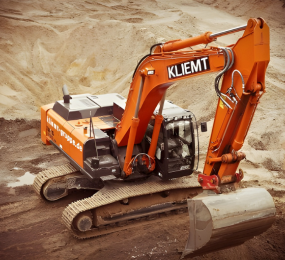
NRMM plays a vital role in modern society. From tractors cultivating farmlands to excavators shaping urban infrastructure, these machines are the backbone of economic growth. However, their heavy reliance on diesel means they are responsible for a considerable share of particulate matter, nitrogen oxides, and CO? emissions.
Unlike passenger vehicles, NRMM often operates for long hours under demanding conditions, making efficiency and sustainability even more challenging. Yet this also means that every step toward cleaner alternatives delivers substantial benefits.
Pathways to Decarbonization
The journey to decarbonize NRMM is unfolding through a mix of technology, policy, and industry innovation. Several pathways are emerging:
1. Electrification – Battery-powered machinery is gaining ground, particularly for smaller, urban-based equipment where reduced noise and zero tailpipe emissions are highly valued.
2. Hydrogen and E-Fuels – For heavy-duty and long-operation machinery, hydrogen fuel cells and synthetic fuels are being explored as practical alternatives to diesel.
3. Hybrid Solutions – Some manufacturers are adopting hybrid models, combining traditional combustion engines with electric systems to reduce fuel consumption and emissions.
4. Efficiency Upgrades – Digital monitoring, predictive maintenance, and improved engine designs are helping extend efficiency while lowering environmental impact.
Policy and Industry Action
Governments and regulators are tightening emissions standards, particularly in Europe and parts of Asia. These policies are accelerating investment in low-carbon technologies for NRMM. At the same time, many companies are adopting sustainability strategies that include transitioning their fleets to greener alternatives.
For industries, decarbonizing NRMM isn’t just about compliance—it’s about future-proofing operations. Cleaner machinery reduces exposure to rising fuel costs, meets growing customer expectations for sustainable practices, and contributes to healthier communities.
Challenges to Overcome
Transitioning NRMM to sustainable energy sources is not without challenges. The high upfront costs of new technologies, infrastructure limitations for charging or fueling, and the durability requirements of machinery in demanding environments all present obstacles. Still, as technology advances and scale increases, these barriers are expected to diminish.
Looking Ahead
Decarbonizing NRMM is a crucial part of achieving broader climate goals. By rethinking how these essential machines are powered, industries can unlock both environmental and economic benefits. The shift may be complex, but the outcome a cleaner, more sustainable future is worth the effort
Takeaway Point: NRMM may operate behind the scenes, but its impact is significant. Decarbonizing this sector is vital for reducing emissions and building a more sustainable economy. With innovation, policy support, and industry commitment, the path toward cleaner machinery is already taking shape.
Learn more on our website: https://www.leadventgrp.com/event/2nd-annual-non-road-mobile-machinery-electrification-and-decarbonization-forum/register
For more information and group participation, contact us: [email protected]
Leadvent Group - Industry Leading Events for Business Leaders!
www.leadventgrp.com | [email protected]








Comment