

Agrivoltaics: Merging Agriculture and Solar Power for a Sustainable Future
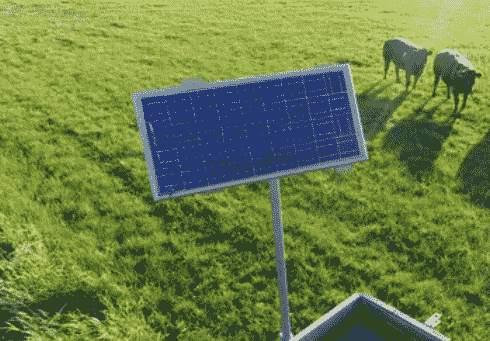
As the world faces the dual challenge of feeding a growing population and transitioning to cleaner energy systems, innovative solutions are emerging that bridge the gap between these needs. One such solution is agrivoltaics, a practice that integrates solar power generation with agricultural activity on the same land. Far from being a theoretical concept, agrivoltaics is already proving its value across regions, offering farmers, communities, and energy developers new opportunities.
A Practical Response to Land Use Pressures
Land has always been at the center of human survival supporting food production, livelihoods, and now, energy generation. However, the expansion of renewable energy often raises questions about competing land uses. Agrivoltaics addresses this issue directly by allowing land to serve two purposes: growing crops and producing electricity.
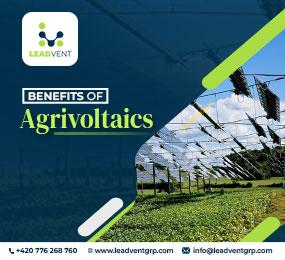
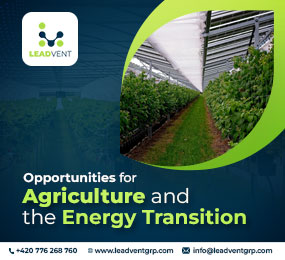
For farmers, this approach brings added resilience. Solar panels provide shade that can reduce heat stress on crops, improve soil moisture retention, and in some cases, increase yields. At the same time, the energy generated can lower farm operating costs or provide a new revenue stream through grid connections.
Benefits Beyond the Farm
The advantages of agrivoltaics extend far beyond individual farms. Communities benefit from the increased supply of clean energy, helping reduce carbon emissions and reliance on fossil fuels. Governments and policymakers see it as a way to achieve renewable energy targets without jeopardizing food security a balance that is critical in both developed and developing regions.
In Europe, pilot projects have shown that crops such as lettuce, potatoes, and grapes can thrive under solar panels. In regions with hotter climates, like Africa and parts of Asia, agrivoltaics holds promise for addressing food security while delivering affordable electricity to rural communities.
Challenges and Considerations
Despite its potential, agrivoltaics faces challenges. Designing systems that maximize both agricultural and energy outputs requires careful planning. The type of crops, local climate, and solar panel configuration all play a role in determining success. Additionally, upfront investment costs can be high, and many farmers may need support in terms of financing, training, and technical expertise.
Another consideration is policy. Governments must create frameworks that encourage adoption, provide incentives, and ensure that both agricultural and energy interests are fairly represented. Without these measures, the scale-up of agrivoltaics could face unnecessary delays.
A Step Toward a Sustainable Future
The promise of agrivoltaics lies in its ability to tackle two pressing global challenges food security and clean energy within a single solution. By rethinking how land is used, it creates opportunities for sustainable growth, environmental stewardship, and community resilience.
As technology advances and awareness grows, agrivoltaics has the potential to reshape the way societies view the relationship between energy and agriculture.
Takeaway Point: Agrivoltaics is more than just an innovative idea; it is a practical pathway to balance food production with renewable energy needs. By embracing this approach, communities can move closer to a future where sustainability supports both people and the planet.
Learn more on our website: https://www.leadventgrp.com/event/4th-annual-agrivoltaics-europe/register
For more information and group participation, contact us: [email protected]
Leadvent Group - Industry Leading Events for Business Leaders!
www.leadventgrp.com | [email protected]






Comment