

Challenges in Commercializing Biopolymer Packaging
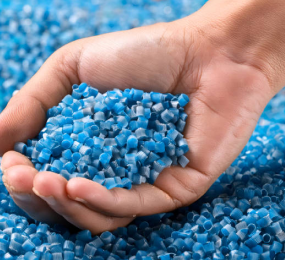
The environmental imperative to replace petroleum-based plastics has catalyzed a surge in biopolymer research. However, the transition from successful laboratory prototypes to mass-market commercial availability remains fraught with obstacles. While biopolymers like Polylactic Acid (PLA) and Polyhydroxyalkanoates (PHA) offer promising circularity, their commercialization faces significant economic, technical, and systemic hurdles.
Economic Barriers and Price Volatility
The most immediate challenge is the "green premium." Traditional plastics, such as PET and PE, benefit from decades of optimized industrial scaling and low-cost fossil fuel subsidies. In contrast, biopolymers often cost two to four times more per kilogram. This price disparity is exacerbated by feedstock competition; using food crops like corn or sugarcane for packaging can lead to volatile pricing and ethical debates regarding food security. Without significant economies of scale or carbon taxes on virgin plastics, biopolymers struggle to compete on price in low-margin sectors like fast-moving consumer goods (FMCG).
Technical Performance Gaps
While biopolymers are improving, they often lack the "barrier properties" of their synthetic counterparts. Many bio-based materials are more permeable to oxygen and moisture, which can compromise the shelf-life of food products. Furthermore, the thermal stability of biopolymers is often lower, making them difficult to process using existing high-speed injection molding or extrusion machinery designed for petroleum plastics. "Drop-in" solutions are emerging, but they often require blending with synthetic additives to achieve necessary mechanical strength, which can inadvertently complicate the material’s eventual biodegradability.
Systemic and Infrastructure Misalignment
Perhaps the greatest challenge is the "end-of-life" paradox. Many biopolymers require industrial composting facilities to degrade effectively. However, in most global markets, the infrastructure for collecting and processing compostable packaging is non-existent. When biopolymers enter traditional recycling streams, they act as contaminants, potentially ruining batches of high-quality recycled PET. This lack of standardized waste management creates a "chicken-and-egg" scenario where brands are hesitant to adopt materials that the current infrastructure cannot process.
Commercializing biopolymers requires more than material innovation; it demands a total ecosystem shift. By bridging the gap between laboratory performance and industrial reality through policy support, infrastructure investment, and advanced barrier chemistry, the industry can finally move biopolymers from niche alternatives to mainstream solutions.
Visit our website to know more: https://www.leadventgrp.com/events/circular-packaging-biopolymer-summit/details
For more information and group participation, contact us: [email protected]
Leadvent Group - Industry Leading Events for Business Leaders!
www.leadventgrp.com| [email protected]


Comment
Yvette
March 07, 2026
Modern Purair 416 Meridian Rd SE #14A, Calgary AB T2A 1X2, Canada (403) 800-7254 Bookmarks - Finn,