

Breaking Ground: Sustainable Feedstocks for Biopolymer Production
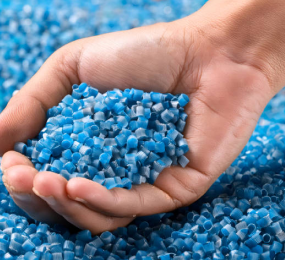
The global transition toward a circular carbon economy has accelerated the demand for biopolymers like polylactic acid (PLA) and polyhydroxyalkanoates (PHA). However, as the market expands, the focus has shifted from the end-of-life biodegradability of these materials to the environmental integrity of their origins. The sustainability of bioplastics is entirely dependent on the sourcing and diversification of their feedstocks.
The Generational Shift in Biomass
The biopolymer industry has historically relied on first-generation feedstocks—primarily food crops such as corn starch, sugarcane, and sugar beets. While these carbohydrate-rich plants offer high-yield carbon fixation and mature processing pathways, they face mounting criticism regarding land-use competition, deforestation, and the "food versus fuel" dilemma.
To mitigate these pressures, industrial R&D has pivoted toward second-generation feedstocks. These consist of non-food biomass, including:
- Agricultural residues: Corn cobs, straw, and sugarcane bagasse.
- Forestry byproducts: Lignin and wood pulp.
- Industrial biowaste: Waste cooking oils and municipal organic waste.
By utilizing waste streams, manufacturers significantly lower the material's carbon footprint while avoiding the consumption of arable land.
Third-Generation and Carbon-Capture Frontiers
The cutting edge of sustainable materials science lies in third-generation feedstocks, which bypass terrestrial agriculture entirely. Algae-based systems offer rapid biomass accumulation without requiring fresh water or synthetic fertilizers.
Furthermore, advanced synthesis technologies now utilize direct greenhouse gas conversion. By deploying specialized microbial strains, researchers can capture atmospheric carbon dioxide ($CO_2$) or methane ($CH_4$) and ferment them directly into high-performance biopolymers. This effectively transforms a climate liability into a valuable manufacturing resource.
As regulatory frameworks like the EU’s Packaging and Packaging Waste Regulation (PPWR) enforce strict biomass traceability, independent certifications (such as ISCC PLUS) are becoming standard. Sustainable feedstock diversification ensures that the biopolymers of tomorrow truly decouple plastic production from fossil reserves without compromising global ecosystems.
Visit our website to know more: https://www.leadventgrp.com/events/circular-packaging-biopolymer-summit/details
For more information and group participation, contact us: [email protected]
Leadvent Group - Industry Leading Events for Business Leaders!




Comment