

The Promise and Reality of Agrivoltaics
Feeding billions while powering the planet with clean energy seems like an impossible balancing act. Traditional thinking suggests these goals compete for the same resource—land. But what if they didn't have to? Enter agrivoltaics, an innovative approach that combines solar energy generation with agricultural production on the same plot of land. This dual-use system is gaining momentum across Europe and beyond, offering a practical solution that addresses both food security and climate change. However, like any emerging technology, agrivoltaics comes with its own set of benefits and challenges worth exploring.
Ecological Benefits of Agrivoltaics
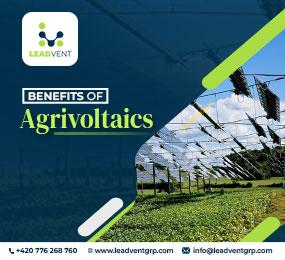
The environmental advantages of agrivoltaics extend well beyond clean energy production. When solar panels are strategically positioned above crops, they create a protective microclimate that can actually enhance agricultural outcomes. Key ecological benefits include :
Water conservation: Research shows that the shade from panels reduces water evaporation, cutting irrigation needs by up to 20% in some cases. This becomes particularly valuable in regions facing water scarcity or prolonged drought conditions.
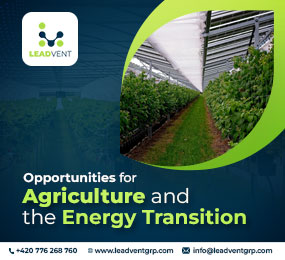
Crop protection: The panels shield crops from excessive heat and intense sunlight, reducing plant stress during summer months. For certain shade-tolerant crops like lettuce, tomatoes, and various berries, this protection can lead to improved yields compared to traditional open-field farming.
Soil health: The cooler ground temperatures beneath panels help maintain soil moisture and support healthier root systems.
From a broader ecological perspective, agrivoltaics systems contribute to carbon reduction through renewable energy generation while maintaining productive agricultural land. Some installations even incorporate pollinator-friendly plants between panel rows, supporting biodiversity and creating habitats for bees and other beneficial insects.
Economic Opportunities
The financial advantage of agrivoltaics lies in its dual revenue model. Farmers and landowners can generate income from both electricity sales and crop production, expanding their financial portfolio and creating resilience against market fluctuations. This becomes especially attractive when crop prices drop or weather conditions threaten harvests.
Europe has shown a strong commitment to agrivoltaics development:
- Italy has spent €1.7 billion building over 1 GW of energy capacity.
- Germany, France, and the Netherlands are exploring agrivoltaic projects. They see it as a way to hit renewable energy targets while keeping farms productive.
The Land Equivalent Ratio (LER) shows how much more efficient agrivoltaics can be. Research shows planned systems can reach LER values higher than 1.3. This means the output from combining solar panels with farmland is greater than using the space. Farmers who have small land areas can use this efficiency as a big competitive edge.
Key Challenges
Although agrivoltaics holds a lot of potential, several challenges prevent it from being adopted :
Financial and Technical Barriers
The upfront costs to install agrivoltaics are much higher than regular solar farms or just running a regular farm. Mounting systems that raise the panels higher, and customizing designs to fit specific crops all increase expenses. Smaller farmers often face challenges in getting the money needed for these kinds of projects.
System design also requires careful calibration. Panels have to be spaced and raised just right so farm tools can work under them while crops still get enough sunlight. Getting this balance wrong can compromise either energy production or agricultural yields.
Regulatory Complexity
A significant challenge is the absence of uniform rules across different places. Some regions see agrivoltaics land as farmland, while others treat it like energy facilities. This creates confusion about zoning laws, financial subsidies, and permits. Unclear regulations make it tough to plan and fund projects.
Knowledge and Acceptance Gaps
To succeed, agrivoltaics needs input from agriculture and renewable energy experts. These fields work together. Farmers might worry that new untested technology could harm their crops. On the other hand, solar energy developers may not understand farming needs and schedules. Trust and sharing knowledge between these groups take effort and time to achieve.
Moving Forward Together with Leadvent Group
Agrivoltaics is more than just a new technology. It marks a shift in how people view land use and managing resources. Although issues like expense, rules, and public approval still exist, the benefits to the environment and economy show it’s an idea to explore further. To succeed, it needs more research, better policies, and teamwork between the farming and energy industries.To push agrivoltaics forward, staying updated on new advancements remains crucial. The 4th Annual Agrivoltaics Europe by Leadvent Group happens in Rome from November 4 to 6, 2025. This event will gather over 100 experts, decision-makers, and pioneers to discuss the hurdles and opportunities within the field. As a leading Solar Energy Event, it opens doors to valuable networking and showcases innovative agrivoltaics projects across Europe. Farmers looking to explore new paths, solar developers aiming to expand into fresh areas, and policymakers working on sustainable farming solutions will find the tools and connections to support the growth of agrivoltaics. Check out Leadvent Group's event page to find out more details and reserve your place at this impactful Solar Energy Event.
Frequently Asked Questions
- What exactly is agrivoltaics?
Agrivoltaics is the practice of co-locating solar photovoltaic panels with agricultural activities on the same land, allowing simultaneous food and energy production.
- Which crops work best in agrivoltaics systems?
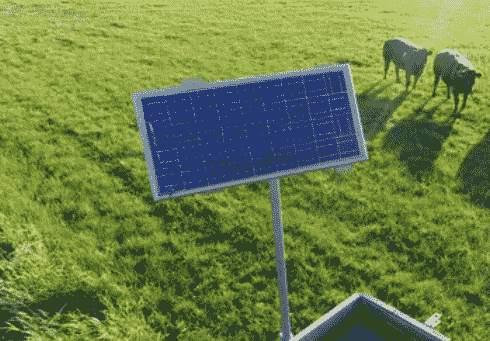
Shade-tolerant crops tend to perform exceptionally well, including leafy greens like lettuce and spinach, certain vegetables, berries, and grapes. Grazing land for sheep and cattle also works effectively beneath solar panels.
- How does agrivoltaics improve water efficiency?
The shade created by solar panels significantly reduces water evaporation from soil, lowering irrigation requirements by up to 20% in some installations while maintaining crop health.
- What are the main barriers preventing wider agrivoltaics adoption?
Expensive installation, unclear rules, complicated system designs, and farmers not knowing much about it are the big obstacles stopping it from spreading further.
- Where can professionals learn more about agrivoltaics innovations?
Experts and professionals can attend industry events to meet specialists and learn about new ideas. The Agrivoltaics Europe conference by Leadvent Group gives a great look at European trends and new technology.






Comment