

Agrivoltaics: Merging Farming and Solar Energy for a Sustainable Future
As the world searches for solutions to meet rising energy demands while protecting natural resources, agrivoltaics has emerged as a powerful concept. At its core, agrivoltaics integrates solar panels with agricultural land use, allowing crops and clean energy production to coexist. This dual-purpose model not only makes more efficient use of limited land but also creates opportunities to strengthen both food security and the renewable energy transition.
How Agrivoltaics Works
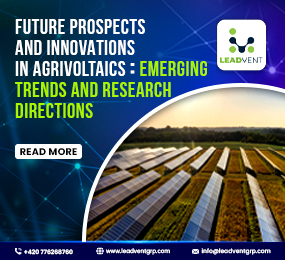
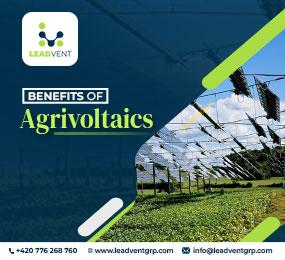
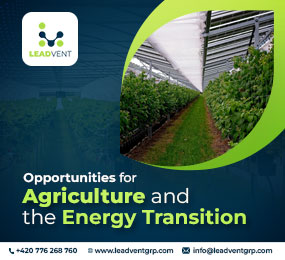
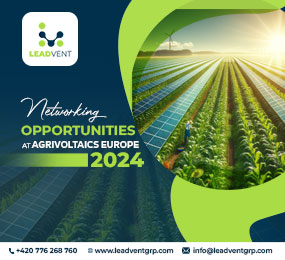
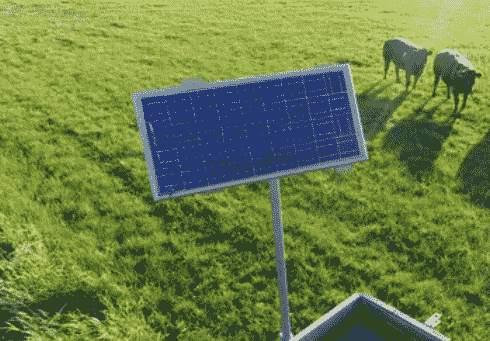
Agrivoltaic systems are designed to position solar panels in ways that still allow crops to grow beneath them. Depending on the type of crops and local climate, panels can be elevated, spaced strategically, or installed in tracking systems that move with the sun. This setup helps generate clean electricity while maintaining productive farmland, instead of displacing it.
Benefits for Farmers and Communities
One of the main advantages of agrivoltaics is that it diversifies income for farmers. Alongside crop yields, farmers can earn revenue from renewable energy production, creating a financial buffer against volatile agricultural markets. Additionally, the partial shading provided by solar panels can reduce heat stress on crops, conserve soil moisture, and even extend growing seasons in some regions.
For communities, agrivoltaics means greater local resilience. Instead of choosing between food and energy, regions can secure both. This is particularly important in areas facing land-use conflicts, where the balance between agricultural needs and renewable energy projects has become increasingly complex.
Environmental Impact
Beyond its direct benefits to farmers, agrivoltaics also plays an important role in the broader climate agenda. By generating solar power, these systems reduce reliance on fossil fuels and lower greenhouse gas emissions. At the same time, preserving farmland under solar installations supports biodiversity and prevents land degradation that might occur with large-scale energy-only projects.
Challenges and Future Outlook
Like any emerging technology, agrivoltaics faces hurdles. Installation costs are higher than conventional solar farms, and not all crops are well-suited to grow under panels. More research is needed to identify the best crop-panel combinations for different
regions. Policies, incentives, and investment frameworks will also be key in scaling up agrivoltaic systems.
Yet the momentum is building. From Europe and Asia to Africa and the Americas, pilot projects are demonstrating that agrivoltaics can be both practical and profitable. As climate pressures intensify, this dual-use solution is increasingly viewed not just as a niche innovation but as a necessary step toward sustainable land management.
Takeaway Point: Agrivoltaics proves that agriculture and renewable energy don’t have to compete for land. By combining food production with solar power generation, it creates a path toward greater sustainability, resilience, and economic opportunity for farmers and communities worldwide.
Learn more on our website: https://www.leadventgrp.com/event/4th-annual-agrivoltaics-europe/register
For more information and group participation, contact us: [email protected]
Leadvent Group - Industry Leading Events for Business Leaders!
www.leadventgrp.com | [email protected]







Comment