

Agrivoltaics: Bridging Agriculture and Clean Energy for a Sustainable Future
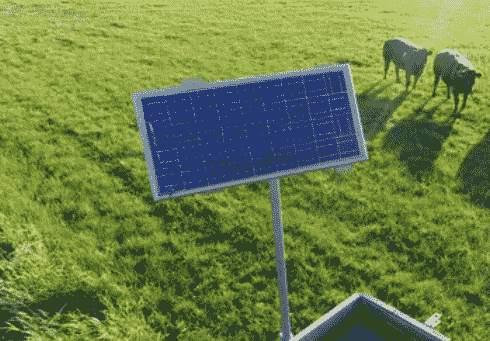
As the world searches for ways to feed a growing population while reducing dependence on fossil fuels, agrivoltaics has emerged as a practical and innovative solution. This approach brings together two essential needs agriculture and renewable energy by using the same land for both crop cultivation and solar power generation. Rather than competing for space, solar panels and farming can work in harmony to create a more sustainable future.
Rethinking Land Use
One of the greatest challenges of the modern era is how land is used. With urbanization, industrial growth, and increasing demand for food and energy, land is becoming a contested resource. Traditional solar farms, while effective, often require vast tracts of land that could otherwise be used for agriculture. Agrivoltaics solves this dilemma by integrating solar panels directly into farmlands, allowing crops to grow beneath or between them.
How It Works
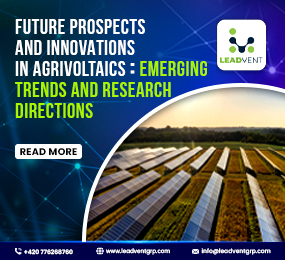
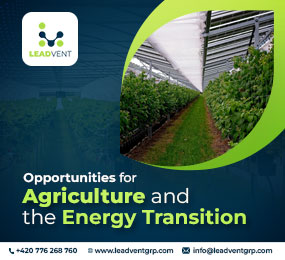
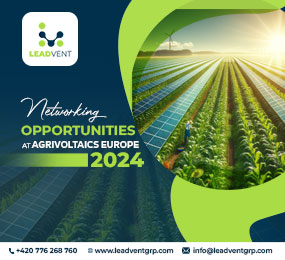
In an agrivoltaic system, solar panels are installed at a higher elevation or spaced to allow sufficient light to reach crops. The panels provide partial shading, which can help protect plants from extreme heat, reduce water evaporation, and create a more stable growing environment. At the same time, farmers generate clean electricity, either for local use or to sell back to the grid. This dual-use model not only maximizes productivity but also supports energy independence in rural communities.
Benefits for Farmers and Communities
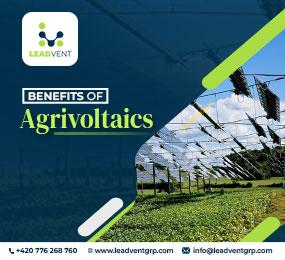
The advantages of agrivoltaics extend beyond just energy and food. Farmers benefit from an additional source of income through electricity generation, making their livelihoods more resilient in the face of market uncertainties and climate change. Crops like lettuce, berries, and even grapes for vineyards have shown positive results under agrivoltaic systems, thriving in the moderated microclimate created by solar shading.
Communities, too, gain from this approach. By producing renewable energy locally, agrivoltaics reduces reliance on fossil fuels, lowers emissions, and supports regional energy security. In areas vulnerable to drought and heatwaves, the technology also contributes to more efficient water use and improved crop survival rates.
Overcoming the Hurdles
Despite its promise, agrivoltaics still faces challenges. The upfront cost of installing solar systems can be high, and farmers may require technical support to adapt their operations. Policy frameworks and incentives are also crucial in encouraging adoption on a larger scale. Collaboration between governments, energy providers, and the agricultural sector will be key to unlocking the full potential of this innovation.
A Vision for the Future
Agrivoltaics offers a compelling vision of how humanity can balance food production and energy needs without exhausting natural resources. By transforming farmlands into hubs of both nourishment and power, this approach can help address climate change while ensuring food security for generations to come.
Takeaway Point: Agrivoltaics is more than just a clever idea it is a tangible solution that allows farming and renewable energy to thrive together. By embracing this dual-use approach, societies can move closer to a future where land works harder, communities prosper, and the planet benefits.
Learn more on our website: https://www.leadventgrp.com/event/4th-annual-agrivoltaics-europe/register
For more information and group participation, contact us: [email protected]
Leadvent Group - Industry Leading Events for Business Leaders!
www.leadventgrp.com | [email protected]







Comment