

Advanced Recycling Technologies for Biopolymer Materials
As the global production of bio-based plastics like PLA (Polylactic Acid) and PHA (Polyhydroxyalkanoates) accelerates, the infrastructure for their end-of-life management must keep pace. While biopolymers are often touted for their compostability, advanced recycling technologies are emerging as a superior route to preserve the high-value carbon structures within these materials, moving beyond simple biodegradation toward a true circular economy.
Chemical Recycling: Depolymerization
The most promising frontier in biopolymer recovery is chemical recycling, specifically thermal or catalytic depolymerization. Unlike traditional mechanical recycling, which can degrade the polymer chain length and reduce material quality, chemical recycling breaks the biopolymer down into its original monomers. For instance, PLA can be efficiently converted back into lactic acid. These "virgin-quality" monomers can then be repolymerized to create new bio-plastics with no loss in performance, effectively decoupling plastic production from virgin feedstock.
Enzymatic Biocatalysis
A cutting-edge approach involves the use of engineered enzymes to "digest" biopolymers at lower temperatures and with higher specificity than traditional chemical methods. These biological catalysts can target specific polymer bonds in mixed waste streams, allowing for the recovery of pure building blocks even from contaminated or multi-layer packaging. This technology represents a bio-based solution to recycling bio-based products, significantly reducing the carbon footprint of the recycling process itself.
Solvent-Based Purification
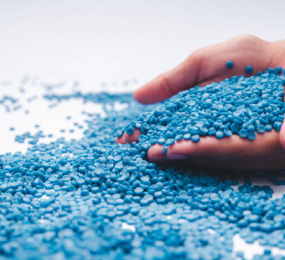
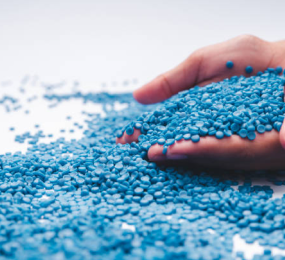
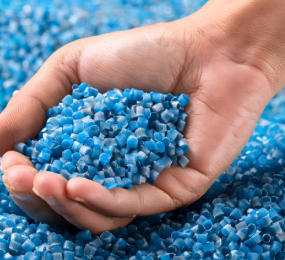
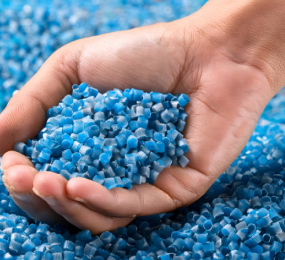
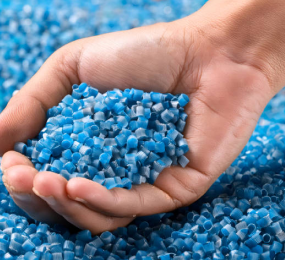
Solvent-based technologies, such as dissolution-precipitation, allow for the extraction of pure polymers from complex waste. By using selective solvents, the target biopolymer is dissolved and separated from additives, dyes, and other plastic types. This results in a high-purity resin that maintains the mechanical properties required for demanding applications like medical devices or food packaging.
Advanced recycling bridges the gap between sustainability and performance. By treating biopolymers as a renewable resource rather than a disposable alternative, these technologies ensure that the environmental benefits of bio-based materials are realized throughout their entire lifecycle.
Visit our website to know more: https://www.leadventgrp.com/events/circular-packaging-biopolymer-summit/details
For more information and group participation, contact us: [email protected]
Leadvent Group - Industry Leading Events for Business Leaders!






Comment