

Wireless and Inductive Charging Technologies: Readiness and Use Cases
As the world transitions toward a "cable-free" future, wireless and inductive charging technologies have moved from niche accessories to critical infrastructure. By utilizing electromagnetic fields to transfer energy across an air gap, these technologies offer a blend of convenience, safety, and durability that traditional conductive charging cannot match.
Technical Readiness and Standards
In 2025, the readiness of wireless charging is defined by standardization and efficiency. The Qi2 standard, introduced by the Wireless Power Consortium, has become the global benchmark for consumer electronics. By incorporating magnetic alignment (similar to MagSafe), Qi2 has solved the primary hurdle of inductive charging: energy loss due to coil misalignment. Modern systems now achieve efficiencies of 85% to 92%, making them highly competitive with traditional plug-in chargers.
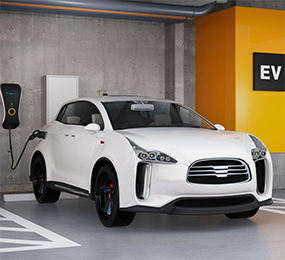
For higher-power applications, such as electric vehicles (EVs), the SAE J2954 standard has matured, allowing for stationary charging at power levels up to 11kW and beyond. These systems utilize resonant inductive coupling, which allows for larger air gaps between the ground pad and the vehicle, accommodating various chassis heights.
High-Impact Use Cases
The versatility of inductive charging has led to rapid adoption across several key sectors:
Automotive: Beyond stationary parking pads, "Dynamic Wireless Charging" (DWC) is being piloted on highways, allowing EVs to charge while in motion. This "road-as-a-battery" concept could significantly reduce range anxiety and the need for massive onboard batteries.
Medical Technology: Inductive charging is a literal lifesaver for implanted devices like pacemakers or neurostimulators. By transferring power through the skin, it eliminates the need for percutaneous wires, which are high-risk sites for infection.
Industrial Automation: In "dark warehouses," Autonomous Mobile Robots (AMRs) and automated forklifts utilize inductive pads for "opportunity charging." This allows robots to top up their batteries during idle moments without human intervention, ensuring 24/7 operational continuity.
Consumer Ecosystems: From "reverse wireless charging" on smartphones to furniture with integrated charging surfaces, the technology is becoming invisible, blending seamlessly into the built environment.
Future Outlook
The path forward focuses on increasing power density and range. While current inductive methods require close proximity, emerging radio-frequency (RF) and infrared technologies aim to deliver "charging at a distance." As the infrastructure for these systems expands, the reliance on disposable cables and exposed ports will continue to diminish, fostering a more sustainable and efficient electronic landscape.
Visit our website to know more: https://www.leadventgrp.com/events/4th-annual-ev-charging-infrastructure-forum/details
For more information and group participation, contact us: [email protected]
Leadvent Group - Industry Leading Events for Business Leaders!
www.leadventgrp.com| [email protected]





Comment