

Wind Power Data: Strengthening Performance Across the Renewable Sector
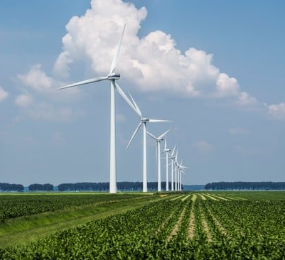
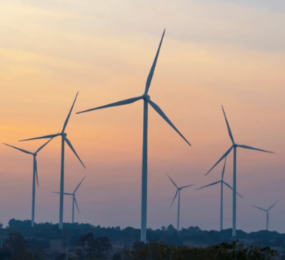
Wind energy is often defined by what can be seen on the horizon turbines turning steadily against the sky. Yet the true engine behind modern wind power lies in the data that supports it. From early-stage site selection to long-term asset management, wind power data shapes technical decisions, financial models, and operational strategy.
The process begins long before a turbine is installed. Developers collect detailed wind resource data over extended periods to assess a site’s potential. Wind speed, direction, seasonal variability, and turbulence intensity are measured using meteorological masts and remote sensing systems. This information determines expected energy yield, influences turbine selection, and underpins project financing. Accurate resource assessment reduces uncertainty, which in turn lowers investment risk.
Once a wind farm becomes operational, the volume of data increases significantly. Modern turbines are equipped with sensors that continuously monitor performance metrics such as rotational speed, blade pitch, temperature, and vibration. This real-time data feeds into centralized control systems, allowing operators to track efficiency and identify anomalies. Early detection of irregular patterns helps prevent mechanical failures and minimizes downtime.
Predictive maintenance has become one of the most valuable outcomes of improved data use. Instead of relying solely on fixed maintenance schedules, operators can analyze performance trends to anticipate wear and component stress. This approach reduces unnecessary servicing while preventing costly breakdowns. Over time, such optimization extends asset life and enhances overall return on investment.
Wind forecasting is equally important for grid stability. Because wind output fluctuates with weather conditions, system operators depend on accurate short-term and long-term forecasts to balance electricity supply and demand. Improved forecasting models, supported by meteorological data and advanced analytics, enable grid operators to integrate higher shares of renewable energy without compromising reliability.
Data transparency also strengthens investor confidence. Performance reporting, availability metrics, and environmental impact assessments provide stakeholders with measurable indicators of project success. Standardized data practices across markets enhance comparability and trust, contributing to the sector’s maturity.
Digitalization is further refining how wind power data is used. Advanced analytics platforms allow operators to compare performance across entire portfolios, identifying trends that may not be visible at a single-site level. These insights support continuous improvement in turbine configuration, operational planning, and energy output.
Offshore wind projects, in particular, rely heavily on data-driven management due to their scale and operational complexity. Remote monitoring reduces the need for frequent on-site interventions, improving safety and cost efficiency. Oceanographic and weather data also inform maintenance scheduling and logistics planning.
Wind power data is no longer confined to technical teams. It has become a strategic asset influencing financial decisions, operational resilience, and long-term planning across the renewable energy sector.
Key Takeaway
Effective collection and analysis of wind power data improve project accuracy, operational reliability, and grid integration, strengthening both technical performance and investor confidence.
Learn more on our website: https://www.leadventgrp.com/event/7th-edition-windpower-data-and-digital-innovation-forum/register
For more information and group participation, contact us: [email protected]
Leadvent Group - Industry Leading Events for Business Leaders!












Comment