

Wind Power Data: Driving Efficiency, Transparency, and Smarter Energy Decisions
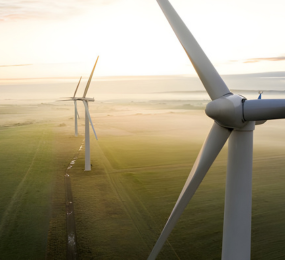
Wind energy has become a central pillar of global electricity generation, but the true strength of modern wind projects lies not only in turbine technology, it lies in data. Behind every rotating blade is a network of measurements and analytics that guide performance, manage risk, and inform investment decisions.
The lifecycle of a wind project begins with detailed data collection. Developers rely on long-term wind resource assessments to determine whether a site can deliver stable and predictable energy output. Meteorological towers, lidar systems, and historical weather modeling provide insights into wind speed, seasonal variation, and turbulence intensity. These early-stage measurements are critical for estimating annual energy production and securing project financing.
Once operational, turbines generate continuous streams of real-time data. Sensors monitor blade pitch, rotor speed, gearbox condition, nacelle alignment, vibration levels, and power output. This information feeds into supervisory control and monitoring systems that allow operators to evaluate performance across entire wind farms from centralized control rooms.
Operational optimization is one of the most valuable applications of wind power data. Even small adjustments in turbine configuration can improve energy yield and reduce mechanical strain. Over time, these incremental gains enhance overall efficiency and protect long-term asset value. For large portfolios, optimized performance translates directly into stronger revenue stability.
Predictive maintenance has further elevated the importance of analytics. By identifying patterns in vibration or temperature changes, operators can anticipate potential component failures before they lead to costly downtime. Scheduled interventions are more efficient than reactive repairs, reducing both operational disruption and maintenance expenses.
Grid integration also depends heavily on accurate data. Because wind generation varies with weather conditions, forecasting plays a central role in maintaining grid stability. Advanced forecasting tools combine turbine performance data with short-term meteorological modeling to provide reliable production estimates. Grid operators use these projections to balance supply and demand more effectively, minimizing curtailment and reliance on backup generation.
For investors and financial institutions, transparency in performance data builds confidence. Metrics such as capacity factor, availability rates, and curtailment levels provide measurable indicators of project health. Standardized reporting enhances comparability across regions and portfolios, supporting informed capital allocation.
At a national level, aggregated wind data shapes energy policy and infrastructure planning. Governments analyze generation patterns and resource mapping to guide transmission development, storage deployment, and renewable expansion strategies. Reliable data supports long-term planning and strengthens the credibility of energy transition commitments.
As wind farms become more digitally interconnected, cybersecurity and data integrity have become operational priorities. Protecting digital infrastructure ensures continuity and safeguards critical energy assets.
Wind power data has evolved from a technical monitoring tool into a strategic asset. It enhances performance, reduces operational risk, and strengthens market transparency. As renewable penetration increases, data-driven decision-making will remain fundamental to ensuring that wind energy delivers consistent and reliable value.
Learn more on our website: https://www.leadventgrp.com/event/7th-edition-windpower-data-and-digital-innovation-forum/register
For more information and group participation, contact us: [email protected]
Leadvent Group - Industry Leading Events for Business Leaders!
www.leadventgrp.com | [email protected]













Comment