

Wind Blade Recycling: Closing the Loop in the Wind Energy Value Chain
Wind energy has become a cornerstone of the global transition to clean power. As wind farms expand and early-generation turbines reach the end of their service life, attention is turning to an important question: what happens to wind turbine blades when they are no longer in use? Wind blade recycling is now emerging as a critical issue for the long-term sustainability of the wind sector.
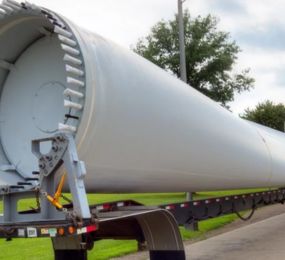
Wind turbine blades are designed to be strong, lightweight, and durable. They are typically made from composite materials such as fiberglass or carbon fiber combined with resins. These materials enable blades to withstand harsh weather conditions for decades, but they also make end-of-life management more complex. Unlike metals, composites are difficult to separate and recycle using traditional methods.
For many years, decommissioned blades were often landfilled or repurposed for low-value applications. While these approaches addressed immediate disposal needs, they do not align with modern sustainability goals. As the number of retiring blades increases, the industry is seeking scalable and responsible recycling solutions that reflect the principles of a circular economy.
Several recycling pathways are now gaining traction. Mechanical recycling involves cutting blades into smaller pieces that can be reused as fillers or reinforcement materials in construction products. While this approach is relatively simple, it often results in downcycling rather than full material recovery. Thermal processes, such as pyrolysis, use heat to break down resins and recover fibers, offering higher-value outputs but requiring greater energy input and technical control.
Chemical recycling methods are also being developed to dissolve resins and recover fibers with minimal damage. These technologies hold promise for producing materials that can be reused in high-performance applications, including new blades. Although still evolving, chemical recycling represents an important step toward closing the loop in composite material use.
Policy and regulation are playing a growing role in shaping wind blade recycling. In several regions, landfill restrictions and extended producer responsibility frameworks are encouraging manufacturers and operators to plan for end-of-life solutions from the design stage. This shift is influencing material choices, blade design, and partnerships across the value chain.
Collaboration is essential for progress. Turbine manufacturers, wind farm operators, recyclers, research institutions, and policymakers must work together to scale
solutions. Standardized blade designs, improved material traceability, and shared recycling infrastructure can all help reduce costs and improve efficiency.
Wind blade recycling also presents economic opportunities. Developing recycling facilities and secondary material markets can create jobs and support local industries, particularly in regions with high wind energy deployment. By treating end-of-life blades as a resource rather than waste, the industry can strengthen both its environmental and economic performance.
As wind energy continues to grow, addressing blade end-of-life responsibly is no longer optional. Wind blade recycling is becoming a defining factor in the sector’s sustainability story, ensuring that clean energy technologies remain aligned with long-term environmental values.
Takeaway Point
Wind blade recycling is essential for building a truly circular wind industry, turning end-of-life challenges into opportunities for innovation, collaboration, and sustainable growth.
Learn more on our website: https://www.leadventgrp.com/event/3rd-annual-wind-blade-materials-and-recycling-forum/register
For more information and group participation, contact us: [email protected]
Leadvent Group - Industry Leading Events for Business Leaders!
www.leadventgrp.com | [email protected]








Comment