

E-Fuels: Clean Power for Hard Cases
The global energy transition faces a significant challenge: how do we decarbonize sectors that simply can't run on batteries? While electric vehicles work great for passenger cars, try powering a cargo ship or commercial aircraft with today's battery technology. That's where e-fuels step in as game-changers. These synthetic fuels, produced from renewable electricity through PtX (Power-to-X) technology, offer a realistic pathway to net-zero emissions across industries that seemed impossible to decarbonize just a decade ago.
Understanding E-Fuels and Electrofuels
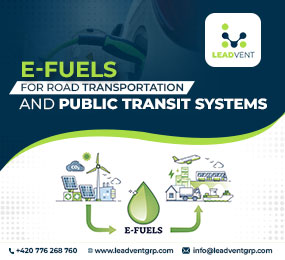
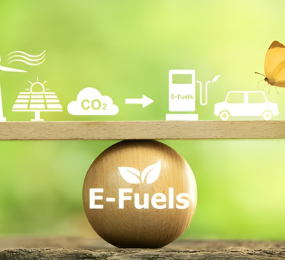
E-fuels, also known as electrofuels, are synthetic fuels created through PtX processes that convert renewable electricity into usable energy carriers. The process sounds complex but follows a straightforward path: renewable electricity powers water electrolysis to produce hydrogen, which then combines with captured CO2 to create synthetic fuels like e-methanol, e-ammonia, synthetic diesel, and sustainable aviation fuel.
What makes synfuels particularly attractive is their drop-in capability. Unlike other alternative fuels that require expensive infrastructure overhauls, synthetic fuels work seamlessly with existing engines, pipelines, and storage systems. This compatibility accelerates adoption while supporting global decarbonization goals.
Four Game-Changing Applications of E-Fuels
Aviation Industry Takes Flight with Sustainable Fuels
Around 2-3% of all carbon emissions come from aviation, and cutting those emissions isn’t an easy task. Batteries don’t pack enough energy to power long flights without making planes too heavy to operate.
Sustainable aviation fuel (SAF) produced through e-fuel technology offers the solution airlines have been seeking. Major carriers are already committing to SAF blends, with some pilot projects demonstrating successful flights powered entirely by electrofuels. The beauty lies in compatibility – existing aircraft engines require zero modifications to run on these synthetic fuels, making the transition economically viable for airlines worldwide.
Maritime Shipping Charts a Green Course
International shipping accounts for approximately 3% of global emissions, and container ships can't exactly pull over to recharge batteries mid-ocean. The maritime industry is embracing e-methanol and e-ammonia as practical alternatives to heavy fuel oil.
The progress here is remarkable – vessels powered by PtX fuels like e-methanol are already navigating international waters. These synthetic fuels provide high energy density suited to long-distance shipping and can be transported. Big shipping companies are putting substantial resources into building synthetic fuels infrastructure because they see synthetic fuels as the best option to achieve carbon neutrality.
Heavy-Duty Transport Finds Its Power Solution
Long-haul trucking presents another battery challenge – the weight and charging time requirements make electric solutions impractical for cross-country freight transport. Construction equipment and mining vehicles face similar limitations.
Heavy-duty operations benefit from synthetic diesel and hydrogen produced through PtX (Power-to-X) technology. These fuels have high energy density and can be refueled. Fleet operators like how these e-fuels work with the engines and refueling setups they already use. This avoids spending money on replacing equipment while still cutting emissions.
Industrial Chemical Production Goes Circular
The chemical industry depends on fossil fuels, but e-fuels are starting to help it move toward more sustainable ways of making products. Using green ammonia to make fertilizers and creating synthetic chemicals to make medicine are just two examples of how things are starting to change.
PtX technology drives what experts describe as a circular carbon economy. Instead of being discarded, captured CO2 serves as the base for making important chemicals. This method cuts reliance on limited and harmful fossil fuels, while still supporting the financial health of the chemical sector.
The Power-to-X Technology Behind the Revolution
PtX (Power-to-X) represents the technological foundation enabling this e-fuel revolution. The process converts renewable electricity through electrolysis, synthesis, and fuel production stages. While current round-trip efficiency presents challenges, ongoing improvements are rapidly reducing costs and increasing performance.
Scale represents the key to success – projects are evolving from independent producers to utility-scale operations. Industry analysts predict significant cost reductions as production volumes increase and technology matures.
Market Momentum and Future Outlook
The synthetic fuel market is growing quickly. It will jump from $6.69 billion in 2024 to $8.91 billion in 2025. This growth equals a 33.2% yearly increase, which is huge. Policies from governments that promote clean energy and cut carbon emissions are speeding things up.
There are still hurdles. Scaling up production and making synfuels cost the same or less than fossil fuels remain big issues. Progress relies on policies staying in place, having renewable energy sources, and improving technology. Several industrial projects set to launch by Q2 2025 will give important data to check how well e-fuels can work on a larger scale.
Shaping the Future of Electrofuels
E-fuels represent far more than an alternative energy source – they're the essential bridge technology enabling comprehensive energy transition across previously impossible sectors. The four key applications in aviation, maritime, heavy transport, and industrial production demonstrate electrofuels' versatility and practical value.
As the world pushes for faster carbon reductions , the growth of synfuels needs teamwork from tech makers, users, and leaders who shape policies. The 2nd Annual World E-Fuels Summit by Leadvent Group gives a top spot to connect these groups. The event links synthetic fuel makers with airlines, shipping firms, vehicle producers, and tech experts. These connections are vital to expanding this game-changing energy solution.
Join industry leaders at the World E-Fuels Summit to explore how synfuels will reshape global energy systems and discover the opportunities driving this remarkable market expansion.
Frequently Asked Questions
What's the difference between e-fuels and biofuels?
E-fuels are synthetic fuels manufactured from renewable electricity through PtX processes, while biofuels derive from organic matter like crops or waste. Electrofuels offer higher efficiency potential and don't compete with food production for agricultural land.
Are synfuels cost-competitive with fossil fuels currently?
E-fuels or synfuels remain more expensive than conventional fuels today, but costs are decreasing rapidly through technological improvements and production scaling. Government carbon pricing policies are helping bridge the economic gap.
Can e-fuels work in existing vehicles and equipment?
Yes, e-fuels function as drop-in replacements for conventional fuels, requiring no engine modifications or infrastructure changes. This compatibility makes adoption significantly easier and more cost-effective.










Comment