

Using Remote Sensing Technologies for Grid Asset Monitoring
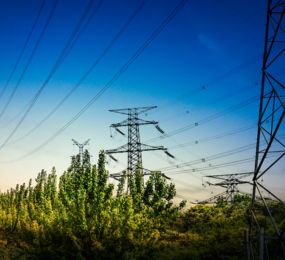
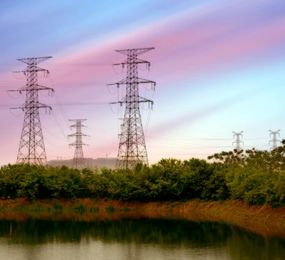
The modern electrical grid is a vast, aging web of infrastructure that spans thousands of miles of diverse and often inaccessible terrain. Traditionally, utility companies relied on manual inspections and helicopter flyovers to assess asset health—methods that are both time-consuming and hazardous. Today, the integration of remote sensing technologies is revolutionizing grid asset monitoring, enabling utilities to transition from reactive repairs to predictive maintenance.
High-Precision Data Collection
The primary driver of this shift is Light Detection and Ranging (LiDAR) technology. When mounted on drones or fixed-wing aircraft, LiDAR creates high-density 3D point clouds of transmission lines and surrounding environments. This allows operators to measure conductor sag with millimeter precision and identify dangerous vegetation encroachment before it causes a localized outage or sparks a wildfire. Furthermore, multispectral satellite imagery provides a macro-view of the grid, allowing utilities to monitor the health of vegetation across entire regions and predict where falling trees might pose a future risk.
Thermal Imaging and Health Assessment
Beyond structural monitoring, infrared and thermal remote sensing play a critical role in identifying electrical faults. Handheld or drone-mounted thermal cameras can detect "hot spots" on insulators, transformers, and bushings. These temperature anomalies often signal high-resistance connections or failing components that are invisible to the naked eye. By identifying these issues in their infancy, utilities can schedule maintenance during off-peak hours, significantly reducing the cost and impact of unplanned outages.
The Path to Digital Twins
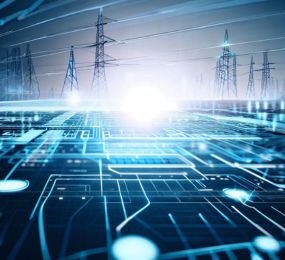
The ultimate goal of remote sensing in the power sector is the creation of "Digital Twins"—virtual replicas of the physical grid. By feeding real-time remote sensing data into AI-driven platforms, utilities can simulate "what-if" scenarios, such as the impact of high winds or extreme heat on specific assets. As these technologies continue to mature, the result will be a more resilient, reliable, and efficient power grid capable of meeting the demands of the digital age.
Visit our website to know more: https://www.leadventgrp.com/events/2nd-annual-power-grid-digitalization-and-automation-forum/details
For more information and group participation, contact us: [email protected]
Leadvent Group - Industry Leading Events for Business Leaders!









Comment