

The Silent Revolution: Innovations in HVDC Submarine Interconnections
The global transition Toward renewable energy hinges on a critical challenge: transporting vast amounts of power across oceans with minimal loss. As offshore wind farms move further into deeper waters and nations seek to interconnect grids for energy security, High-Voltage Direct Current (HVDC) technology has emerged as the definitive solution. Recent innovations in this field are transforming the efficiency and feasibility of long-distance subsea power transmission.
Advancements in Voltage Source Converters (VSC)
The shift from traditional Line Commutated Converters (LCC) to modern Voltage Source Converters (VSC) represents a massive leap forward. Unlike their predecessors, VSC systems allow for independent control of active and reactive power, making it easier to integrate volatile renewable sources into the grid. Furthermore, VSCs require a significantly smaller footprint, which is vital for offshore platforms where space is at a premium.
Breakthroughs in Cable Insulation
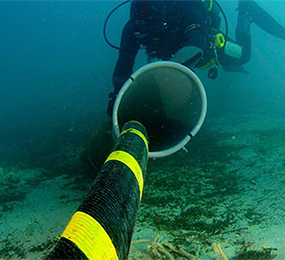
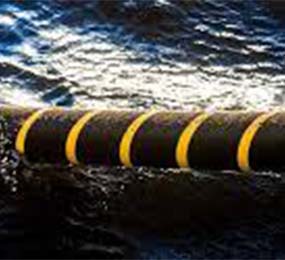
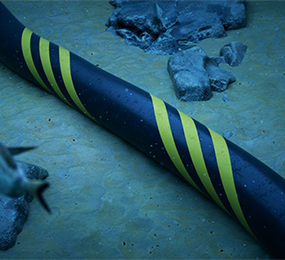
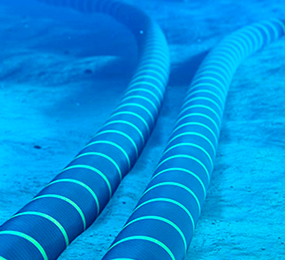
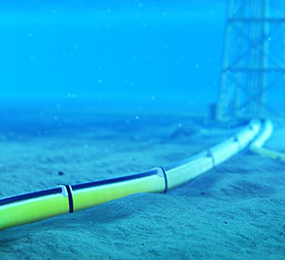
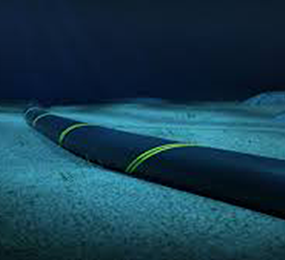
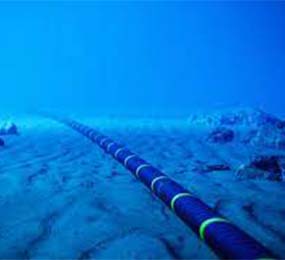
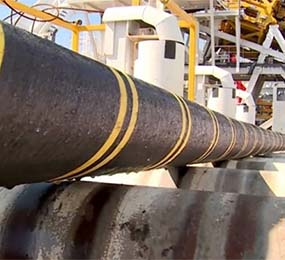
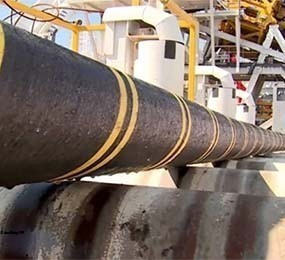
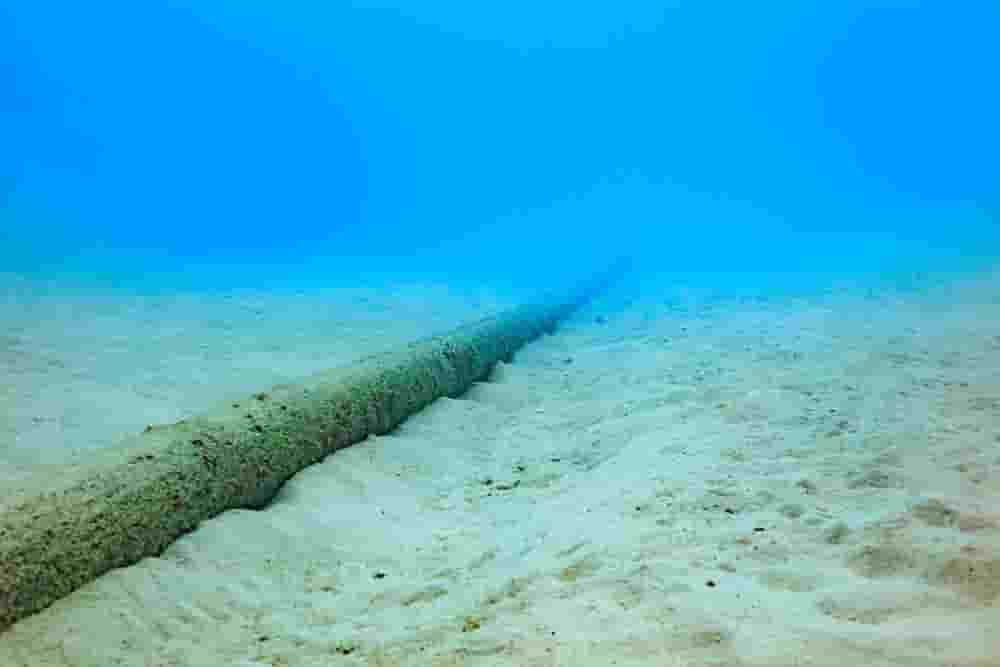
The physical "arteries" of these systems—the submarine cables—have seen remarkable upgrades. The industry is moving from traditional Mass-Impregnated (MI) cables to Cross-Linked Polyethylene (XLPE) insulation. XLPE cables are lighter, easier to install, and can now handle voltage levels exceeding $525\text{ kV}$, drastically increasing the power capacity of a single bipole link.
Multi-Terminal DC (MTDC) Grids
Perhaps the most ambitious innovation is the development of Multi-Terminal DC grids. Traditionally, HVDC was used for point-to-point links. New DC breaker technology now allows for the creation of complex subsea networks where multiple offshore wind farms can connect to several different countries simultaneously. This "supergrid" approach enhances reliability; if one path is compromised, power can be rerouted through another.
As these technologies mature, they provide the backbone for a decarbonized global economy, proving that the depths of our oceans hold the key to a sustainable future on land.



Comment