

The Role of Submarine Cables in Offshore Hydrogen Infrastructure
As the global energy transition accelerates, the focus is shifting toward the vast, untapped potential of offshore wind. While much of this energy is slated for the power grid, a significant portion is being earmarked for Green Hydrogen production. This shift has placed submarine cables at the heart of a burgeoning offshore hydrogen infrastructure, serving as the literal nervous system of the clean energy economy.
The Power Behind the Process
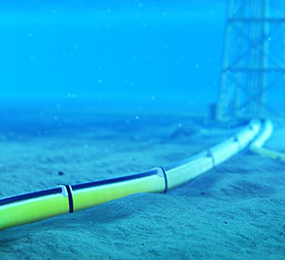
Offshore hydrogen is typically generated via PEM (Proton Exchange Membrane) electrolyzers situated on platforms or converted oil rigs. These electrolyzers require immense amounts of stable electricity to split water molecules. Submarine power cables are the primary conduits, delivering high-voltage energy from distant wind turbines to these offshore production hubs. Without specialized, high-capacity cabling, the "green" link in the hydrogen chain would remain severed.
Integrated Energy Corridors
We are seeing a move toward Integrated Energy Corridors. Traditionally, submarine cables were designed for one-way power delivery to the shore. In a hydrogen-integrated system, these cables must support bidirectional communication and complex sensor data to balance the fluctuating output of wind farms with the constant demand of electrolyzers. This synergy ensures that when wind speeds are high, excess power is converted to hydrogen rather than being curtailed.
Resilience in Harsh Environments
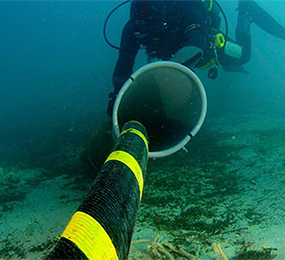
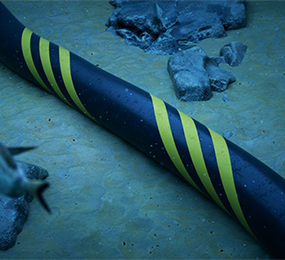
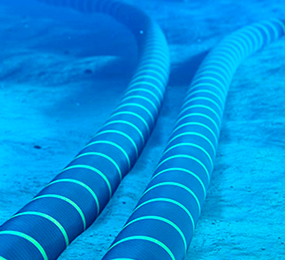
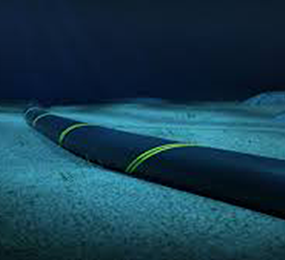
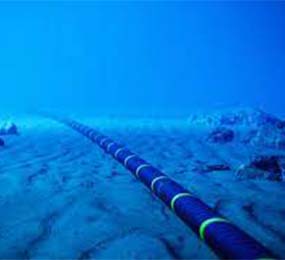
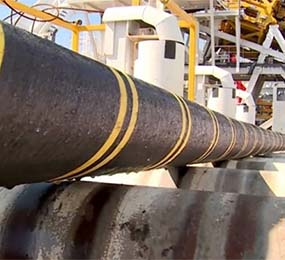
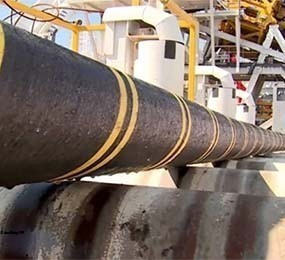
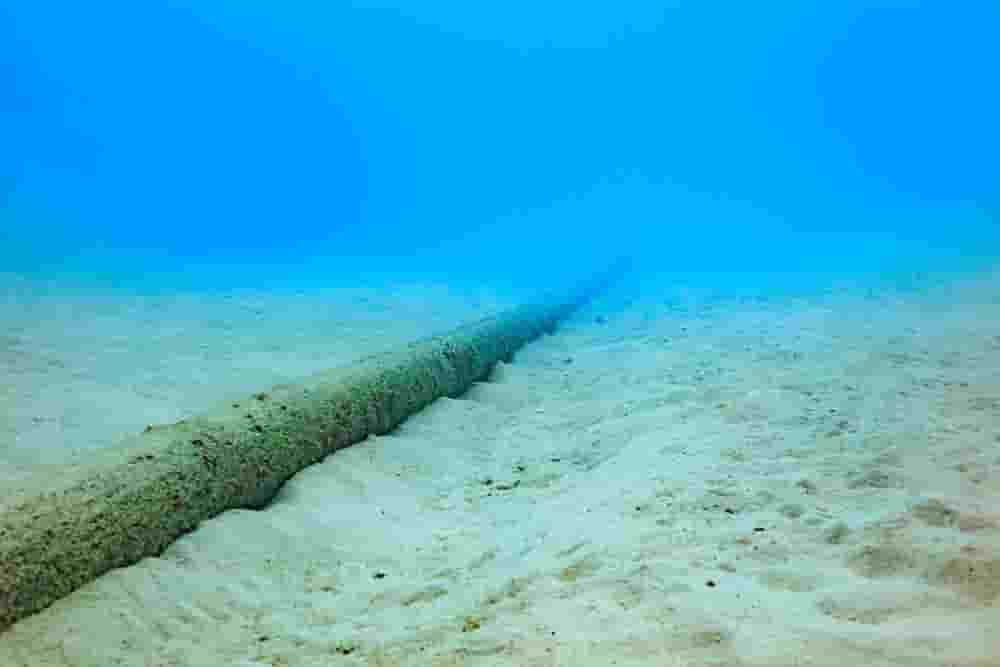
The role of these cables extends beyond simple transport; they must provide unparalleled durability. Operating in high-salinity, high-pressure underwater environments, these cables are engineered with advanced polymer insulation and lead-alloy sheathing. As hydrogen projects move into deeper waters, the development of dynamic subsea cables—capable of withstanding the mechanical stress of floating wind turbines—is becoming a critical prerequisite for scalable hydrogen production.
Ultimately, submarine cables are the silent enablers of the hydrogen revolution. By bridging the gap between offshore wind harvesting and subsea electrolysis, they transform volatile weather into a storable, transportable, and carbon-free fuel.
Visit our website to know more: https://www.leadventgrp.com/events/6th-annual-submarine-power-cable-and-interconnec tion-forum/details
For more information and group participation, contact us: [email protected]
Leadvent Group - Industry Leading Events for Business Leaders!
www.leadventgrp.com| [email protected]




Comment