

The Invisible Shield: Protecting Distributed Energy Resources from Cyber Vulnerabilities
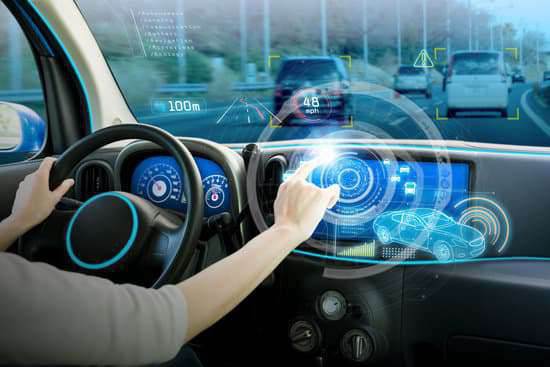
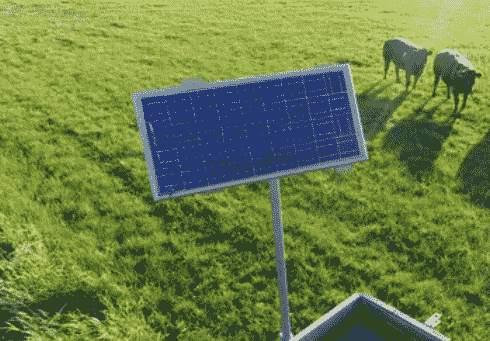
The global shift toward a decentralized grid has transformed Distributed Energy Resources (DERs)—such as solar arrays, battery storage, and electric vehicle (EV) charging stations—into the backbone of modern energy infrastructure. However, as these assets bridge the gap between physical hardware and digital networks, they introduce a sprawling "attack surface" that traditional power plants never faced. Protecting these resources isn't just a technical challenge; it is a matter of national security.
The Connectivity Paradox
The very feature that makes DERs efficient—bidirectional communication—is also their greatest weakness. Most DERs rely on the Internet of Things (IoT) protocols to communicate with grid operators. If a single smart inverter is compromised, it can serve as a gateway for hackers to inject malicious code into the wider distribution management system. A coordinated cyberattack could theoretically manipulate power flows, leading to localized outages or even physical damage to grid components.
Strategies for Defense
To fortify the decentralized grid, a multi-layered security approach is essential:
- Zero Trust Architecture: Never assume a device is safe. Every DER unit must be continuously verified before it is allowed to communicate with the network.
- Encryption and Authentication: Implementing robust cryptographic standards ensures that data sent from a solar farm to a utility provider hasn't been intercepted or altered.
- Artificial Intelligence Monitoring: AI-driven anomaly detection can identify "strange" behavior—such as a sudden, unexplained shift in voltage settings—and isolate the affected device before the threat spreads.
A Resilient Future
As we integrate millions of new DERs into the grid, security cannot be an afterthought. By embedding "security by design" into the manufacturing of inverters and controllers, and fostering collaboration between private tech firms and public utilities, we can ensure that our transition to clean energy remains stable, secure, and resilient against the evolving digital threat landscape.




Comment