

The Impact of Subsea Power Cables on Marine Biodiversity
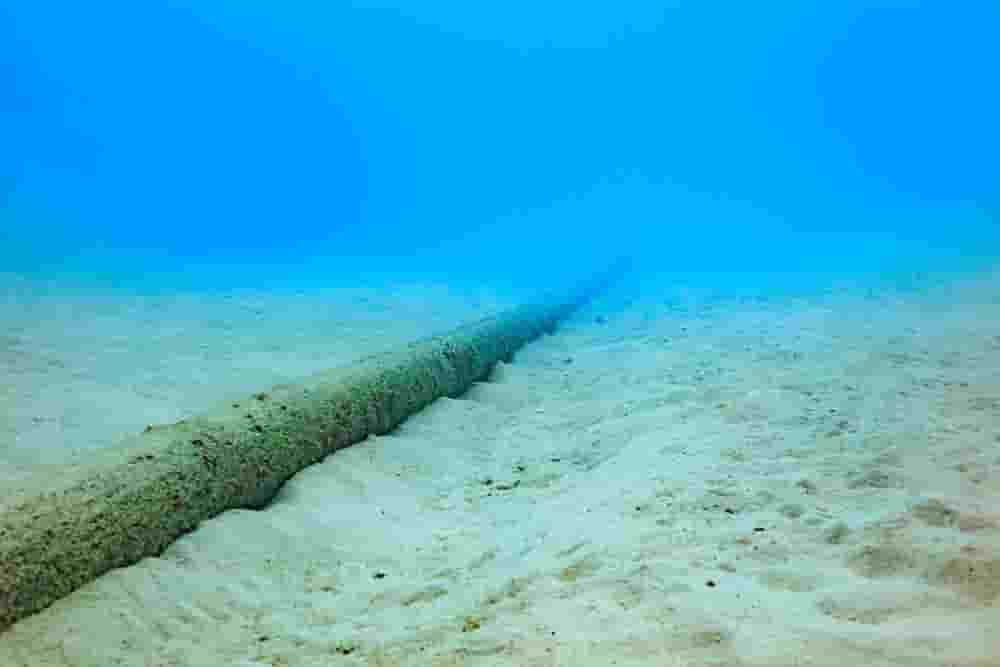
The global transition towards renewable energy sources, particularly offshore wind farms, necessitates the widespread deployment of subsea power cables. While crucial for delivering clean energy, these underwater arteries can exert various impacts on marine biodiversity, ranging from direct physical disturbances during installation to long-term electromagnetic field (EMF) effects. Understanding and mitigating these impacts are essential for ensuring that our pursuit of sustainable energy does not inadvertently harm delicate marine ecosystems.
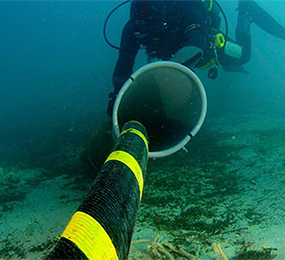
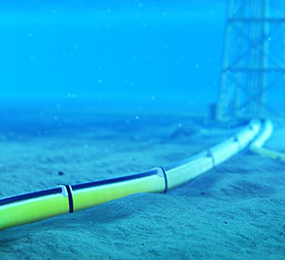
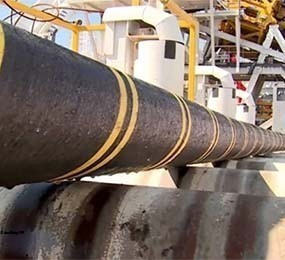
During the installation phase, activities such as trenching and cable laying can cause significant physical disturbance to the seabed. This includes habitat destruction, sediment resuspension, and noise pollution, which can disrupt marine life, displace species, and impact benthic communities. While these effects are often localized and temporary, they can be particularly damaging in sensitive habitats like coral reefs or seagrass beds. Careful route planning and the use of less invasive installation techniques are vital to minimize these immediate impacts.
Beyond installation, the operational phase of subsea power cables introduces continuous electromagnetic fields (EMFs) into the marine environment. Research into the effects of these EMFs on marine organisms is ongoing, but studies suggest potential impacts on species that rely on electroreception or magnetoreception for navigation, foraging, and reproduction. Fish, sharks, rays, and even some invertebrates could be affected, potentially altering their behavior, migration patterns, or physiological processes. The heat generated by cables can also create localized temperature anomalies, influencing species distribution.
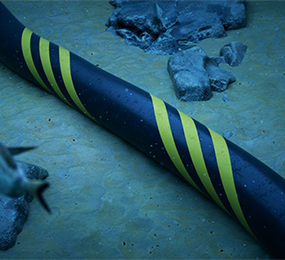
Mitigating these impacts requires a multi-faceted approach. This includes conducting thorough environmental impact assessments, selecting cable routes that avoid sensitive areas, burying cables where feasible to reduce EMF exposure, and utilizing shielding technologies. Continuous monitoring and further research are critical to better understand the long-term effects and develop more effective mitigation strategies. By integrating ecological considerations into the planning and design of subsea cable projects, we can strive for a future where clean energy development coexists harmoniously with a thriving marine environment.
Visit our website to know more: https://www.leadventgrp.com/events/5th-annual-submarine-power-cable-and-interconnection-forum/details
For more information and group participation, contact us: [email protected]
Leadvent Group - Industry Leading Events for Business Leaders!




Comment