

The Impact of Seabed Conditions on Cable Installation Techniques
The global digital economy relies on a hidden network of subsea cables. However, the ocean floor is far from a uniform plane; it is a complex landscape of shifting sands, jagged peaks, and tectonic rifts. For engineers, the seabed geology is the primary factor that determines how a cable is laid and protected.
Soft Sediments: The Burial Standard
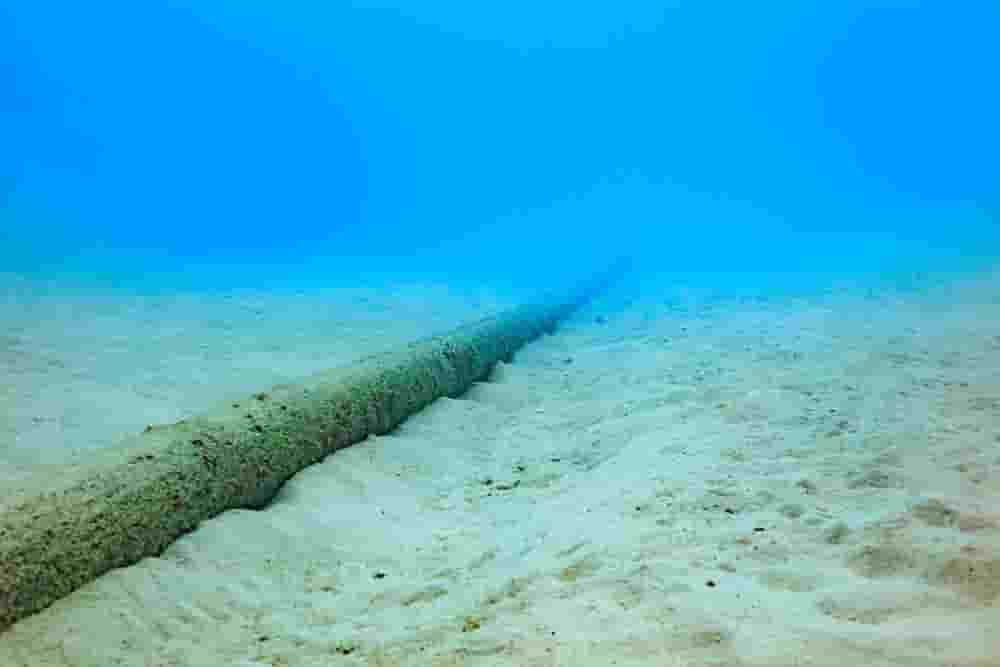
In areas dominated by sand, silt, or clay—common on continental shelves—the goal is burial. Cables are most vulnerable to human activity, such as fishing trawlers and dragging anchors. In these soft conditions, installation vessels utilize a cable plow. This tool is towed along the seafloor, carving a trench and inserting the cable in one continuous motion. Alternatively, jetting techniques use high-pressure water to liquefy the sediment, allowing the cable to sink to a safe depth before the sand settles back over it.
Hard Rock and Coral: The Armoring Alternative
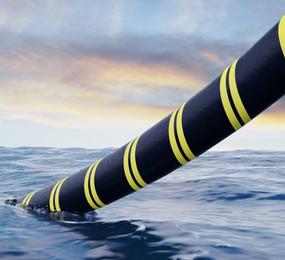
When the seabed turns to basalt, granite, or coral, burial becomes physically or environmentally impossible. In these rugged terrains, engineers resort to surface laying. Since the cable cannot be tucked underground, it must be "armored." These cables are wrapped in multiple layers of galvanized steel wire to withstand abrasion against rocks and the weight of the currents. In high-energy environments with hard bottoms, installers may also use articulated pipes—cast-iron shells that provide a physical barrier around the cable.
Dynamic Topography and Seismic Risks
Steep continental slopes and volcanic regions present the risk of underwater landslides, known as turbidity currents. These events can snap even heavily armored cables. To navigate this, precise multibeam sonar surveys are conducted to find the most stable route. Installers must avoid "suspensions," where a cable hangs between two rocks; without the support of the seabed, the tension and vibration from currents would eventually cause a fatigue failure.
Ultimately, the seabed dictates the engineering. A successful installation requires a deep respect for marine geology, ensuring that the chosen technique—whether burial or armoring—is perfectly matched to the terrain.
Visit our website to know more: https://www.leadventgrp.com/events/6th-annual-subsea-cable-installation-asset-management-reliability-forum/details
For more information and group participation, contact us: [email protected]
Leadvent Group - Industry Leading Events for Business Leaders!
www.leadventgrp.com| [email protected]





Comment