

The Future of Non-Road Mobile Machinery: Efficiency, Sustainability, and Innovation
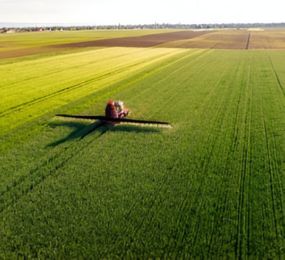
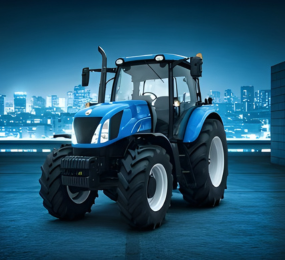
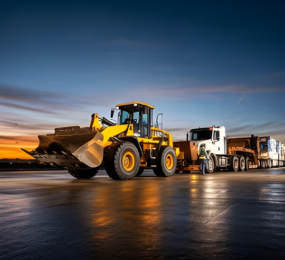
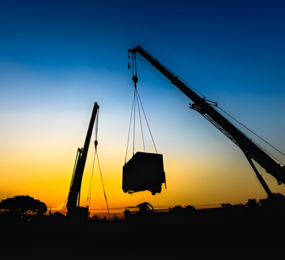
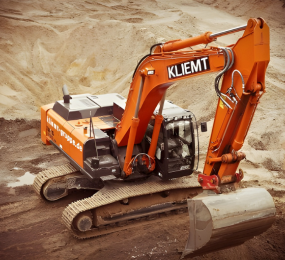
Non-Road Mobile Machinery (NRMM) might not dominate the headlines like electric cars or drones, but its role in powering industries is undeniable. From excavators and tractors to harvesters and cranes, NRMM is the unseen backbone of construction, agriculture, and industrial operations.
Today, the sector is undergoing a quiet but significant transformation, driven by the need to balance performance with environmental responsibility. Stricter emissions regulations, advances in fuel technology, and digital innovation are reshaping how these machines are built, powered, and operated.
Cleaner Power for a Cleaner Future
Traditionally powered by diesel engines, NRMM has been a major source of particulate matter and nitrogen oxide emissions. However, regulatory frameworks such as the EU Stage V standards are pushing manufacturers to reduce environmental impact. The industry is responding with alternative fuels, hybrid systems, and in some cases, full electrification.
Low-carbon fuels such as biodiesel, renewable diesel, and hydrogen are gaining traction, particularly in sectors where battery-powered machinery faces limitations due to energy demands. The shift isn’t just about compliance it’s about meeting the expectations of clients, governments, and communities for greener operations.
Digital Tools Changing Operations
Beyond the fuel source, technology is redefining NRMM performance. Telematics and data analytics now allow operators to track fuel efficiency, monitor maintenance needs in real-time, and optimize machine usage. These tools not only cut operational costs but also extend the lifespan of equipment, reducing waste and resource consumption.
Automation is also making inroads. Autonomous and semi-autonomous NRMM can improve safety, especially in hazardous environments such as mines and large-scale construction projects. Combined with remote monitoring, these systems are improving both productivity and worker safety.
Collaboration for Progress
The transition to sustainable NRMM requires collaboration between manufacturers, policymakers, and end-users. Governments are offering incentives for cleaner technology adoption, while industry associations are helping to set standards and share best practices.
Ultimately, the evolution of NRMM is not just a technical challenge it’s a cultural shift in how industries think about heavy machinery. The focus is moving from raw power to smart, efficient, and sustainable performance.
Takeaway Point: The future of NRMM lies in combining cleaner energy, advanced technology, and smart operational practices. As the industry embraces sustainability, it’s paving the way for machinery that works harder, smarter, and with a smaller environmental footprint.
Learn more on our website: https://www.leadventgrp.com/event/2nd-annual-non-road-mobile-machinery-electrification-and-decarbonization-forum/register
For more information and group participation, contact us: [email protected]
Leadvent Group - Industry Leading Events for Business Leaders!
www.leadventgrp.com | [email protected]







Comment