

The Evolution of Automotive Vehicles: Driving the Future of Mobility
Automotive vehicles have long been at the heart of human mobility, shaping the way societies connect, trade, and grow. From the first gasoline-powered car of the late 19th century to today’s smart and electrified vehicles, the automobile has gone beyond being a mode of transport it has become an essential tool for economic development, cultural change, and technological advancement.
A Legacy of Innovation
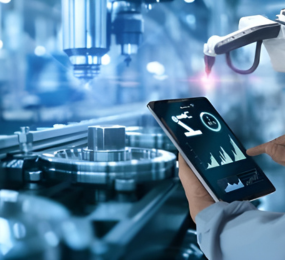
The journey of the automotive vehicle has been one of constant reinvention. Early vehicles were mechanical marvels built for the elite, but mass production brought cars within reach of everyday people. Over time, advances in engineering, materials, and design have made vehicles faster, safer, and more efficient. The evolution didn’t stop there; today’s automotive industry integrates digital technologies, connectivity, and automation to meet the changing expectations of drivers.
Safety and Comfort at the Core
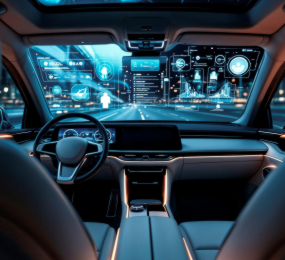
As vehicles became more widespread, so too did the focus on safety. Seatbelts, airbags, anti-lock braking systems, and advanced driver-assistance systems have transformed the way we think about protecting lives on the road. Beyond safety, comfort has become a priority, with modern vehicles offering ergonomic designs, climate control, infotainment systems, and enhanced interiors. These features have turned cars into more than just machines they are personal spaces where people work, relax, and travel.
The Push for Sustainability
One of the defining challenges of the 21st century for the automotive industry is sustainability. With climate change and environmental pressures growing, the traditional reliance on fossil fuels is being re-examined. Electric vehicles (EVs), hybrid systems, and hydrogen-powered cars are becoming central to the conversation. At the same time, manufacturers are embracing recyclable materials, eco-friendly production methods, and cleaner energy sources to reduce the overall carbon footprint of the industry.
Technology Driving Change
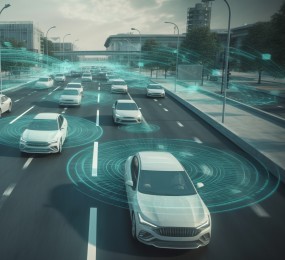
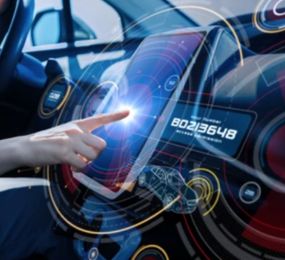
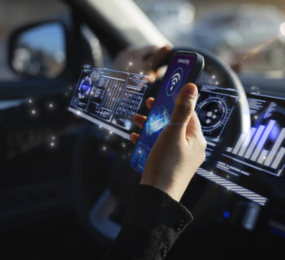
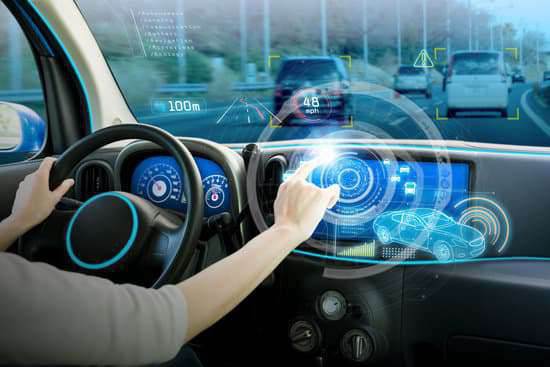
The modern automotive vehicle is as much about software as it is about hardware. Cars today are equipped with advanced connectivity features, enabling real-time navigation, remote diagnostics, and even over-the-air updates. The rise of autonomous driving technologies is pushing the boundaries further, opening debates about the future of personal mobility, traffic management, and urban planning. Vehicles are no
longer isolated machines; they are becoming integrated into a larger ecosystem of smart cities and sustainable infrastructure.
Looking Ahead
The future of automotive vehicles lies in balancing tradition with innovation. While consumers still seek reliability and performance, they also expect vehicles to be greener, safer, and more intelligent. Collaboration between automakers, technology companies, and governments will determine how quickly this transformation unfolds.
Takeaway Point: Automotive vehicles are more than a mode of transport they are a reflection of society’s progress. As the industry navigates sustainability, digital innovation, and evolving consumer needs, vehicles will continue to drive not just people, but the future of global mobility.
Learn more on our website: https://www.leadventgrp.com/event/3rd-annual-automotive-functional-safety-forum/register
For more information and group participation, contact us: [email protected]
Leadvent Group - Industry Leading Events for Business Leaders!
www.leadventgrp.com | [email protected]






Comment