

Sustainable Supply Chains: Balancing Efficiency and Environmental Responsibility
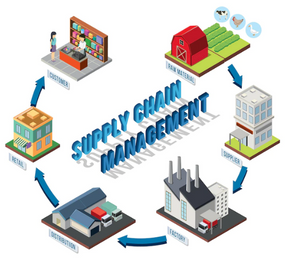
Modern global supply chains face a defining mandate: to integrate deep environmental responsibility without sacrificing the operational efficiency that underpins competitiveness. For decades, the pursuit of "lean" operations often prioritized cost reduction and speed, leading to practices (like heavy reliance on single-source suppliers or complex, long-distance logistics) that increased environmental risk and vulnerability. Sustainable supply chains recognize that true resilience requires balancing these economic imperatives with ecological stewardship.
Achieving this balance demands a holistic approach, starting with material sourcing and design. Companies must prioritize circularity, selecting raw materials that are recycled, renewable, or ethically certified, reducing the upstream footprint. Furthermore, efficient material use is intrinsically linked to waste reduction, a concept that improves both environmental performance and cost efficiency. The focus here shifts from minimizing immediate costs to optimizing the entire product lifecycle's resource consumption.
Secondly, logistics and transportation represent a major area for decarbonization. While lean models favored the cheapest, often most polluting, transport modes, sustainable logistics mandates the integration of digital tools and partnerships to favor lower-emission options. This includes optimizing route planning to reduce mileage, shifting volume to rail or sea freight, and investing in new technologies like electric or hydrogen-powered vehicles. Efficiency is redefined as the reduction of emissions per delivered unit.
Finally, transparency and governance are vital. Technology provides the necessary visibility into Tier 2 and Tier 3 suppliers to ensure compliance with labor and environmental standards. By embracing collaborative, long-term relationships with compliant partners, businesses de-risk their entire operation. Ultimately, a sustainable supply chain treats environmental responsibility not as a burden, but as a non-negotiable component of long-term economic resilience and brand value.
Visit our website to know more: https://www.leadventgrp.com/events/3rd-annual-supply-chain-risk-and-resilience-forum/details
For more information and group participation, contact us: [email protected]
Leadvent Group - Industry Leading Events for Business Leaders!














Comment