

Sustainable Fuels: Life Cycle Analysis and Their Environmental Benefits
The clock of climate change is ticking, creating an urgent global push towards sustainable fuels more than ever. While our roads are filled with electric vehicles, sadly, the challenge comes with aviation, shipping, and heavy industries.
You can’t plug a cargo ship crossing the Pacific Ocean or run a steel mill on a battery. These industries require a huge amount of liquid fuels to run, and at the same time, they are required to cut down emissions.
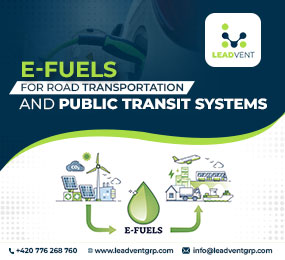
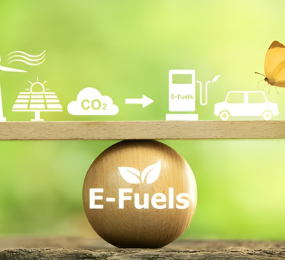
Here’s where sustainable energy sources enter the arena: e-fuels produced from renewable electricity, biofuels from organic waste, and synthetic alternatives are all trying to match the pace of these industries with the benefit of no-carbon baggage for the environment.
That’s where understanding the life cycle analysis (LCA) of sustainable fuels comes in, with an in-depth view of their environmental footprint, from production to consumption, and true benefits.
These critical conversations are exactly what make events like the 2nd Annual World e-Fuels Summit 2025, organized by Leadvent Group, a must-visit. The event allows industry leaders together with energy researchers and numerous other professionals to present their findings about decarbonization pathways.
The Role of LCA for Sustainable Fuels
The Life Cycle Analysis (LCA) can be simply termed as a product’s environmental story; it can also be said as the “well-to-wheel” approach, from feedstock to exhaust pipe.
What are the key stages of LCA for sustainable fuels? Take a deep dive with us:
Feedstock Production/ Energy Source: Gathering up the resources is where the biofuels begin. The process begins by generating feedstock through either air CO2 extraction for e-fuels or agricultural waste collection for biofuels.
Conversion and Production: It’s the next step in the journey to turn feedstock into fuel. That might mean processing biomass into liquid fuel, or the power-hungry electrolysis and Fischer-Tropsch synthesis needed to form e-fuels.
Transportation and Distribution: Every mile matters. Tracking emissions from the transportation of raw materials to the production facility and from these units, finished fuel is transported to end-users.
The challenge? Each fuel type takes different routes with varying effects. An e-fuel created using wind energy in Denmark has a different environmental footprint compared to one made with grid power in China. This diversity makes it hard to set standards, but it also shows why some "green" fuels work better than others in actual use cases.
Environmental Benefits Unveiled by LCA
The real environmental advantage of sustainable fuels is what can be understood through the Life Cycle Analysis. The main advantage which stands out the most remains their capacity to produce major Greenhouse Gas (GHG) emission cuts compared to conventional fossil fuel sources.
The positive environmental effects of sustainable fuels extend beyond global climate benefits because they produce noticeable improvements to our local air quality conditions. Their combustion produces substantially reduced amounts of harmful pollutants which lead to city smog formation and breathing issues including small particles and nitrogen oxides and sulfur oxides.
Take synthetic aviation fuel, most varieties deliver carbon reduction compared to traditional jet fuel. E-methanol for shipping also shows better promise in some way of achieving near-zero lifecycle emissions.
These fuels put into practice ideas about using resources wisely and recycling. Various green fuels effectively use trash and farm leftovers and CO2 from factories as their principal components. The approach reduces both waste output and fossil fuel reliance while securing worldwide energy availability since these resources exist in specific locations.
The Paris Agreement obligates nations to develop fresh objectives as they recommit to the 1.5? global warming target which demands a 43% reduction in worldwide greenhouse gas emissions by 2030.
Challenges and Pathway Forward
While the promise of benefits through “green” fuels is truly immense. Standardization is messy with production difficulties, and wildly different results for the same fuel. We're now facing big hurdles like scaling up production to satisfy worldwide needs, cutting costs to rival existing fossil fuels, and setting up the needed infrastructure for broad use.
Overcoming these challenges can be done through collaborations and innovations. The need for continuous advanced research to refine the production processes, policy makers such as the EU’s renewable energy, are creating favorable market conditions and establishing strong cross-industry collaborations to accelerate distribution.
Join the Conversation with the 2nd Annual World E-Fuels Summit 2025
For industry leaders prepared to transcend their pilot projects and demonstrate authentic environmental impact, the road ahead demands both hardcore science and pragmatic cooperation.
This is why such complex and crucial topics are precisely that, platforms for deep discussion are so essential. That’s exactly why at Leadvent Group’s 2nd Annual World e-Fuels Summit 2025, where vital conversations, exchange of insights, and help shape the future of energy with industry leaders and experts.
Our future needs open knowledge and collaboration to accelerate the global transition toward sustainable energy systems.
Frequently Asked Questions (FAQs)
1) What makes LCA essential to measure the environmental advantages of sustainable fuel?
The Life Cycle Analysis (LCA) is a comprehensive, “well-to-wheel” assessment - examining the environmental impact of sustainable fuels from feedstock sourcing and production to transportation and consumption. This is necessary if we are to prevent “greenwashing” and properly detect actual emissions reductions, resource efficiency, and other environmental gains.
2) What makes sustainable fuels different from traditional fossil-based fuels?
The primary difference between sustainable fuels and conventional fossil fuels stems from sustainable fuels using renewable energy sources to generate power while producing less environmental harm and lower greenhouse gas emissions than traditional fossil-based fuels. The objective behind sustainable fuels exists to develop an energy system which generates power through renewable resources yet does not produce environmental harm or carbon emissions from fossil fuel extraction.
3) Who should attend the 2nd Annual World e-Fuels Summit 2025?
The 2nd Annual World e-Fuels Summit 2025 should be attended by energy investors, entrepreneurs, industry and technology leaders, policy makers and experts across the e-fuel sector.








Comment