

Supply Chain Visibility: Why Transparency Is Key to Resilience
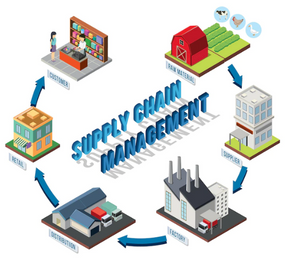
Global supply chains are inherently fragile, operating as complex, interconnected networks vulnerable to everything from geopolitical crises to climate change. Resilience, defined as the capacity to absorb and recover from external shocks, is no longer optional; it is a necessity. The foundation of this resilience is comprehensive supply chain visibility, which transforms static, siloed operations into a dynamic, transparent system capable of adaptive response. Without knowing the location, status, and associated risks of materials across all tiers, managers are inevitably forced into reactive, costly, and slow decision-making.
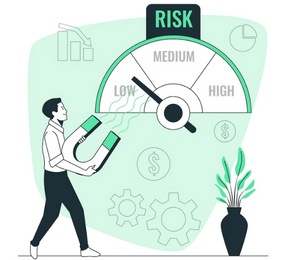
The primary benefit of visibility is proactive risk mitigation. Full transparency—extending far beyond Tier 1 suppliers to raw material sources—allows organizations to identify concentration risks, single points of failure, and compliance vulnerabilities before a disruption occurs. By leveraging real-time data feeds, often enabled by IoT and shared digital platforms, companies can immediately detect events like port congestion, weather delays, or facility outages. This rapid detection capability enables operational teams to initiate dynamic rerouting, shift production, and proactively communicate with customers, effectively turning a potential crisis into a manageable delay.
Furthermore, transparency significantly enhances operational agility and reduces the financial fallout of disruptions. Real-time, accurate data prevents the "bullwhip effect," where small changes in demand ripple catastrophically up the chain, leading to costly over-ordering or excessive inventory. When a component shortage hits, visibility allows logistics teams to assess the exact inventory levels and location of alternative materials, ensuring resources are allocated precisely where needed. By sharing demand signals transparently with upstream partners, businesses allow them to adjust production schedules instantly, protecting working capital and minimizing the need for expensive air freight or rush orders.
In conclusion, supply chain visibility is the prerequisite for resilience. It ensures that every stakeholder possesses the timely, accurate information needed to move from merely surviving disruptions to strategically thriving in spite of them. Transparency is the single greatest tool for creating a robust, adaptive, and ultimately, cost-effective supply chain structure.
Visit our website to know more: https://www.leadventgrp.com/events/3rd-annual-supply-chain-risk-and-resilience-forum/details
For more information and group participation, contact us: [email protected]
Leadvent Group - Industry Leading Events for Business Leaders!












Comment