

Supply Chain Strategy: Building Resilience in a Changing Global Market
Supply chains form the backbone of modern commerce. From raw material sourcing to final product delivery, they connect manufacturers, suppliers, logistics providers, and customers across borders and time zones. In recent years, global disruptions have underscored just how critical effective supply chain management is to business continuity and competitiveness.
Traditionally, supply chains were optimized primarily for cost efficiency. Companies sought lean inventory levels, streamlined supplier networks, and just-in-time delivery models. While this approach reduced overhead and improved margins, it also left limited room for disruption. Events such as geopolitical tensions, transportation bottlenecks, and sudden shifts in demand have prompted organizations to rethink this balance.
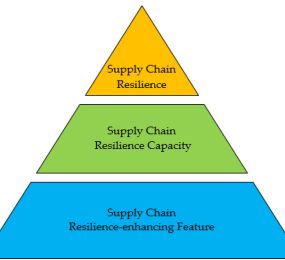
Resilience is now a central focus. Businesses are diversifying supplier bases, nearshoring certain operations, and maintaining strategic inventory buffers to reduce exposure to external shocks. Rather than relying on a single source or region, companies are building flexibility into procurement strategies. This shift does not replace efficiency; instead, it integrates risk management into operational planning.
Digital transformation is playing a decisive role in strengthening supply chains. Advanced analytics, real-time tracking, and integrated planning systems provide greater visibility across the entire network. With access to accurate data, companies can identify potential disruptions earlier and respond more effectively. Forecasting tools also help align production with demand, reducing waste and improving service levels.
Collaboration across the value chain has become increasingly important. Transparent communication between suppliers, manufacturers, and distributors supports faster decision-making and more coordinated responses. Long-term partnerships often replace purely transactional relationships, fostering shared responsibility for performance and reliability.
Sustainability considerations are also shaping supply chain strategy. Customers and regulators expect greater transparency regarding sourcing practices, carbon emissions, and ethical standards. Organizations are evaluating suppliers not only on cost and quality but also on environmental and social performance. As a result, supply chain management is closely linked to broader corporate responsibility goals.
Logistics remains a vital component. Efficient transportation networks, warehouse optimization, and inventory management systems determine how smoothly goods move from origin to destination. Investments in multimodal transport options and regional distribution hubs can improve both speed and flexibility.
Risk assessment is now embedded in supply chain planning. Scenario modeling and contingency planning allow organizations to test potential disruptions before they occur. By identifying vulnerabilities early, companies can develop mitigation strategies that minimize operational impact.
Supply chains are no longer viewed as back-office functions. They are strategic assets that influence customer satisfaction, financial performance, and brand reputation. Organizations that combine efficiency with resilience and transparency are better positioned to navigate uncertainty and maintain competitive advantage.
Key Takeaway
A resilient supply chain balances efficiency with flexibility, leveraging digital tools, diversified sourcing, and strong partnerships to manage risk and support long-term growth.
Learn more on our website: https://www.leadventgrp.com/event/3rd-annual-supply-chain-risk-and-resilience-forum/register
For more information and group participation, contact us: [email protected]
Leadvent Group - Industry Leading Events for Business Leaders!
www.leadventgrp.com | [email protected]













Comment