

Supply Chain: Building Resilient and Efficient Global Networks
Supply chains rarely attract attention when they function smoothly. Products arrive on time, shelves remain stocked, and production lines operate without interruption. Yet behind this reliability lies a complex network of suppliers, manufacturers, logistics providers, and distribution systems working in coordination.
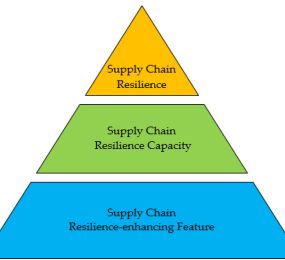
In recent years, supply chain management has shifted from a cost-focused function to a strategic priority. Global disruptions, shifting trade dynamics, and changing consumer expectations have highlighted how vulnerable interconnected systems can be. For many organizations, resilience now carries equal weight to efficiency.
At its core, a supply chain links raw materials to finished goods and ultimately to end users. Each stage, sourcing, production, warehousing, transportation, and delivery, relies on clear communication and accurate forecasting. A delay or disruption at one point can ripple across the entire network.
Risk management has therefore become central to supply chain strategy. Companies are diversifying suppliers, reassessing geographic concentration, and increasing transparency across tiers. Nearshoring and regionalization are gaining momentum as businesses seek to balance cost advantages with reduced exposure to global volatility.
Digital transformation is also reshaping the landscape. Advanced analytics, real-time tracking systems, and integrated planning platforms allow organizations to monitor inventory levels and shipment status more precisely. Data-driven insights improve demand forecasting, reduce excess stock, and minimize costly disruptions. Technology does not eliminate risk, but it strengthens visibility and informed decision-making.
Sustainability is increasingly embedded in supply chain planning. Investors and regulators expect companies to understand the environmental and social impact of their sourcing and logistics practices. Carbon accounting across supply chains, often referred to as Scope 3 emissions, requires collaboration with suppliers and logistics partners. Organizations that integrate sustainability metrics into procurement decisions are better positioned to meet long-term climate commitments.
Cost control remains important, but the definition of efficiency is evolving. Lean inventory strategies once prioritized minimal stock levels to reduce carrying costs. Today, many firms are reconsidering buffer inventories and safety stock to guard against disruption. The balance between lean operations and resilience requires careful assessment of industry dynamics and customer expectations.
Collaboration is another defining feature of modern supply chains. Strong relationships with suppliers and logistics partners can provide flexibility during periods of stress. Transparent communication, shared forecasting data, and aligned incentives strengthen the overall network.
Talent and leadership play a crucial role. Supply chain professionals are expected to combine analytical expertise with strategic thinking. Cross-functional coordination between procurement, operations, finance, and sustainability teams ensures that decisions reflect broader business objectives.
As global commerce continues to evolve, supply chains will remain a defining element of competitive advantage. Organizations that invest in resilience, digital capability, and responsible sourcing are better prepared to navigate uncertainty while maintaining service reliability.
Key Takeaway
A modern supply chain must balance efficiency with resilience, using technology, diversified sourcing, and strong partnerships to manage risk and deliver long-term value.
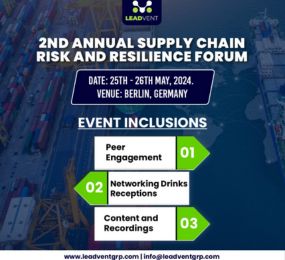
Learn more on our website:https://www.leadventgrp.com/event/3rd-annual-supply-chain-risk-and-resilience-forum/register
For more information and group participation, contact us: [email protected]
Leadvent Group - Industry Leading Events for Business Leaders! ww.leadventgrp.com | [email protected]












Comment