

Risk Assessment Strategies for Subsea Cable Deployment Projects
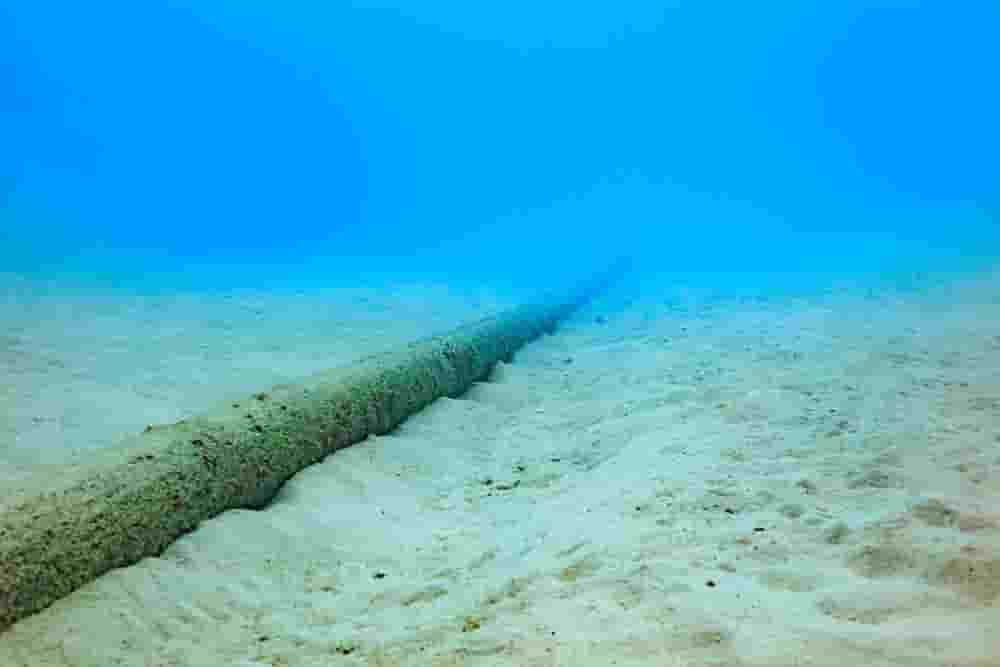
The deployment of subsea cables is a high-stakes engineering feat, involving multi-million dollar investments and extreme environmental conditions. As the backbone of global telecommunications and offshore renewable energy, ensuring the integrity of these cables begins long before the first mile is laid. Implementing robust risk assessment strategies is essential to navigate the technical, environmental, and socio-economic challenges of the deep sea.
Comprehensive Marine Route Surveys
The foundation of any risk strategy is the Marine Route Survey (MRS). Using side-scan sonar, multibeam echosounders, and sub-bottom profilers, engineers must map the seafloor with high precision. This allows for the identification of geohazards such as submarine landslides, hydrothermal vents, and steep slopes that could cause cable suspension or abrasion. Avoiding "high-energy" zones where seismic activity is frequent is a primary mitigation tactic.
Human Activity and Third-Party Risks
Statistically, the greatest threat to subsea cables is not nature, but human activity. Fishing trawlers and ship anchors account for the majority of cable faults. Risk assessment must include an analysis of AIS (Automatic Identification System) data to understand shipping traffic density. Mitigation strategies often involve cable burial at specific depths (typically 1–3 meters) or the application of double-armored protection in shallow waters where maritime activity is highest.
Environmental and Regulatory Compliance
Beyond physical safety, project risks include regulatory delays. Strategies must incorporate Environmental Impact Assessments (EIAs) to safeguard sensitive marine habitats and coral reefs. Navigating the jurisdictional complexities of Exclusive Economic Zones (EEZs) requires early engagement with local authorities to mitigate legal risks and secure necessary permits.
Successful subsea cable deployment relies on a proactive, multi-layered risk management framework. By combining advanced seafloor mapping with deep data analysis of maritime traffic and strict regulatory adherence, developers can ensure the longevity of the infrastructure that connects our world.
Visit our website to know more: https://www.leadventgrp.com/events/6th-annual-subsea-cable-installation-asset-management-reliability-forum/details
For more information and group participation, contact us: [email protected]
Leadvent Group - Industry Leading Events for Business Leaders!




Comment