

Reimagining Non-Road Mobile Machinery for a Cleaner Future
When conversations around emissions and decarbonization arise, most people immediately think of cars, trucks, or airplanes. But another group of machines plays a surprisingly large role in our environmental footprint: Non-Road Mobile Machinery (NRMM).
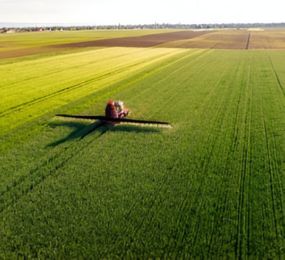
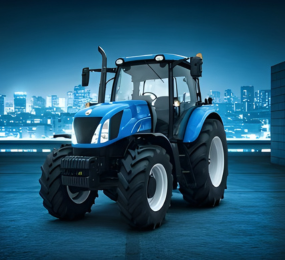
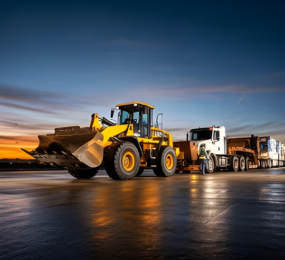
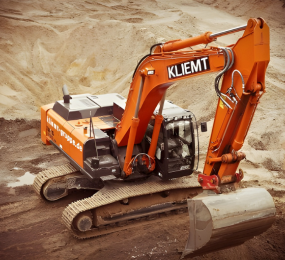
This category includes a wide range of machines used in construction, agriculture, mining, and forestry think bulldozers, excavators, tractors, and harvesters. They may not drive down highways, but they are essential to infrastructure, food systems, and resource extraction around the world. And they run almost entirely on fossil fuels.
Unlike on-road vehicles, NRMM has historically flown under the regulatory radar. Their engines are often less efficient, and emissions standards have been slow to catch up. Yet as pressure grows to tackle climate change across all sectors, these machines are finally getting the attention they deserve.
The good news is that change is already in motion. Manufacturers are beginning to roll out electric, hybrid, and hydrogen-powered alternatives to traditional diesel-powered machines. Battery-electric construction equipment is no longer a futuristic idea it’s being tested and used in cities focused on lowering noise and air pollution. Some large-scale agricultural machinery is also being redesigned to run cleaner, all while maintaining productivity and performance.
Regulations are tightening too. The EU and other regions have implemented new Stage V emission standards, which mandate lower levels of particulate matter and nitrogen oxides. These rules are forcing innovation, pushing the industry to adopt better filtration systems, cleaner engines, and even smart technologies that optimize fuel use.
In regions like Africa, the challenge is more complex. Much of the NRMM fleet is older, imported, and lacks the technological upgrades of newer models. However, this also presents a real opportunity. With the right policy support, financial incentives, and collaboration with global partners, countries can leapfrog to cleaner technologies, bypassing the long phase of heavy fossil fuel reliance.
Transitioning NRMM to a lower-carbon future won't happen overnight. It requires investment, upskilling of the workforce, and support for small businesses in agriculture and construction who rely heavily on these machines. But the benefits are clear: reduced emissions, improved air quality, quieter urban spaces, and long-term fuel savings.
Takeaway Point: Non-Road Mobile Machinery is a crucial but often overlooked contributor to emissions. As cleaner technologies and regulations evolve, NRMM is stepping into the spotlight of decarbonization offering a real chance to cut pollution without halting progress.
Learn more on our website: https://www.leadventgrp.com/event/2nd-annual-non-road-mobile-machinery-electrification-and-decarbonization-forum/register
For more information and group participation, contact us: [email protected]
Leadvent Group - Industry Leading Events for Business Leaders!
www.leadventgrp.com | [email protected]






Comment