

Reimagining Non-Road Mobile Machinery: A Turning Point for Heavy Industry
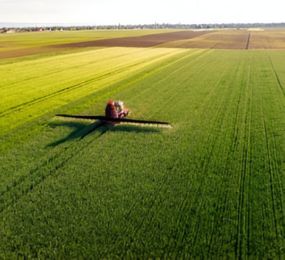
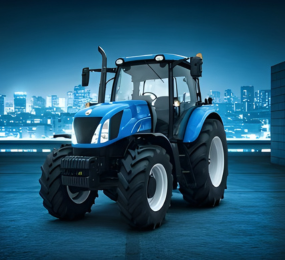
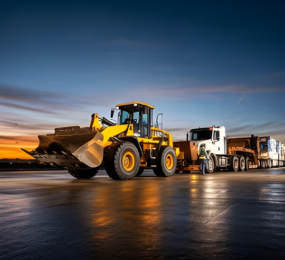
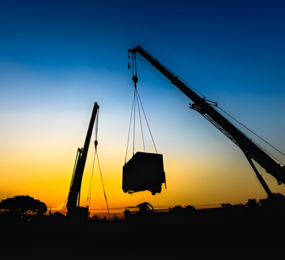
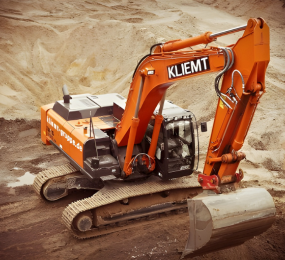
Across construction sites, farmlands, mining pits, and ports, Non-Road Mobile Machinery (NRMM) quietly powers the backbone of industry. These machines bulldozers, excavators, harvesters, forklifts, and cranes don’t operate on public roads, but their environmental footprint is far from invisible.
For years, NRMM flew under the radar in emissions conversations. While cars and trucks became cleaner through stricter regulations, NRMM largely continued to run on older diesel technologies. But times are changing, and the spotlight is now shifting toward making these machines cleaner, smarter, and more sustainable.
The Emissions Challenge
The environmental impact of NRMM is significant. In urban construction zones, ports, and industrial areas, these machines often contribute heavily to local air pollution and carbon emissions. Diesel exhaust from NRMM is a source of nitrogen oxides (NOx) and particulate matter pollutants with known health risks.
Unlike road vehicles, NRMM operates for long hours under high loads, often with minimal oversight or emissions controls. As urban development and infrastructure projects expand, the need to rethink how these machines are powered becomes more urgent.
The Push for Decarbonization
Governments and environmental bodies are now enforcing tougher emissions standards for NRMM. Across Europe and parts of Asia, Stage V regulations are driving innovation in engine design, filtration systems, and alternative fuel use.
But compliance isn’t the only reason for change. Businesses are discovering that investing in cleaner NRMM pays off. Whether through hybrid-electric models, hydrogen-fueled engines, or fully electric machines, companies are cutting fuel costs, improving reliability, and aligning with environmental targets.
The real challenge lies in retrofitting existing fleets and ensuring that new technologies can perform in harsh, demanding environments. And yet, momentum is building. Manufacturers, policymakers, and equipment operators are now engaging in the same conversation how to power heavy machinery with fewer emissions and better performance.
Beyond Compliance: A Business Opportunity
Decarbonizing NRMM is not just about meeting regulations; it’s about leading the next wave of industrial transformation. Cleaner machinery is quieter, more efficient, and often more cost-effective over its lifecycle. It also sends a clear message to clients, investors, and the public: your company is part of the solution.
From construction firms bidding for green-certified projects to municipalities replacing diesel with electric compactors, the shift is well underway. As technology continues to advance, businesses that adapt early will be best positioned for long-term resilience and competitive advantage.
Takeaway Point: The future of NRMM lies in clean, smart, and efficient machinery. It’s not just about regulatory compliance it’s an opportunity to lead the transformation of industry toward sustainability, reliability, and long-term value.
Learn more on our website: https://www.leadventgrp.com/event/2nd-annual-non-road-mobile-machinery-electrification-and-decarbonization-forum/register
For more information and group participation, contact us: [email protected]
Leadvent Group - Industry Leading Events for Business Leaders!
www.leadventgrp.com | [email protected]







Comment