

Powering the Deep: Innovative Cooling for High-Voltage Subsea Cables
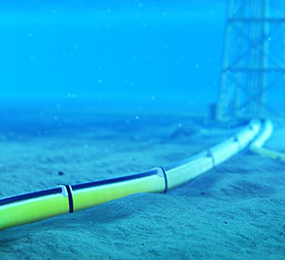
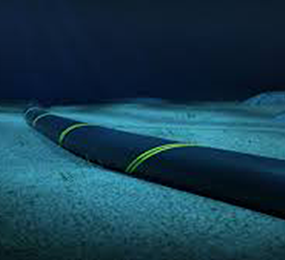
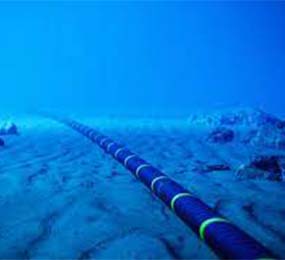
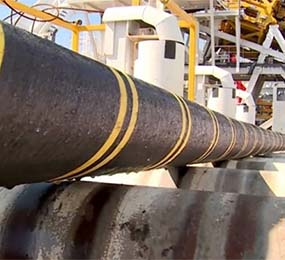
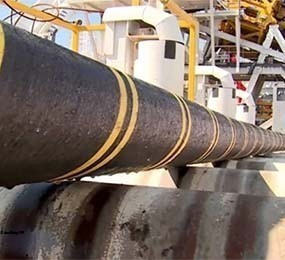
As the global push for renewable energy accelerates, offshore wind farms are moving further out to sea, demanding higher power capacities. This shift has placed immense pressure on high-voltage subsea cables. When these cables carry massive amounts of electricity, they generate significant heat due to electrical resistance. If left unmanaged, this thermal buildup can degrade insulation, limit power throughput, and ultimately lead to catastrophic failure.
The Thermal Challenge
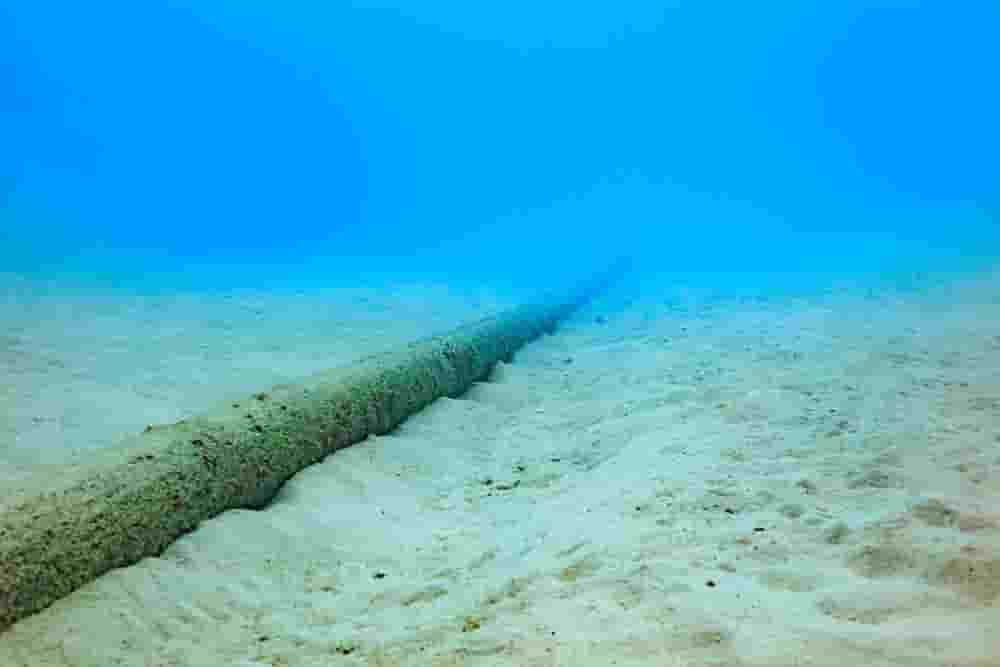
Traditional subsea cables rely on the surrounding seabed for passive cooling. However, in areas with "hot spots"—such as regions with low thermal conductivity soil or where cables are buried deep to avoid anchors—natural dissipation is insufficient. This creates a bottleneck, forcing operators to "de-rate" the cable, or run it below its maximum intended capacity.
Cutting-Edge Cooling Innovations
To combat this, engineers are turning to several innovative strategies:
- Active Liquid Cooling: Similar to how a radiator cools a car engine, some modern designs incorporate integrated tubes that circulate water or specialized coolants along the cable length. This actively carries heat away from the core.
- Thermal Grout and Advanced Backfill: In areas of burial, using engineered thermal backfill materials with high conductivity ensures heat is efficiently transferred from the cable to the cooler seafloor.
- Distributed Temperature Sensing (DTS): While not a "cooling" method per se, DTS uses fiber optics to provide real-time, centimeter-accurate thermal maps. This allows operators to push cables to their physical limits safely, utilizing "dynamic rating" based on real-time environmental cooling.
- Nanomaterial Insulation: Research into XLPE (cross-linked polyethylene) infused with carbon nanotubes or boron nitride aims to create insulation that is electrically resistive but thermally conductive, allowing heat to escape the core more easily.
By integrating these technologies, the industry is ensuring that the "arteries" of our green energy grid remain cool under pressure, maximizing efficiency and securing our energy future.





Comment