

Power Beneath the Waves: The Economics of Cross-Border Submarine Interconnections
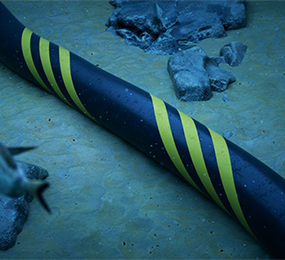
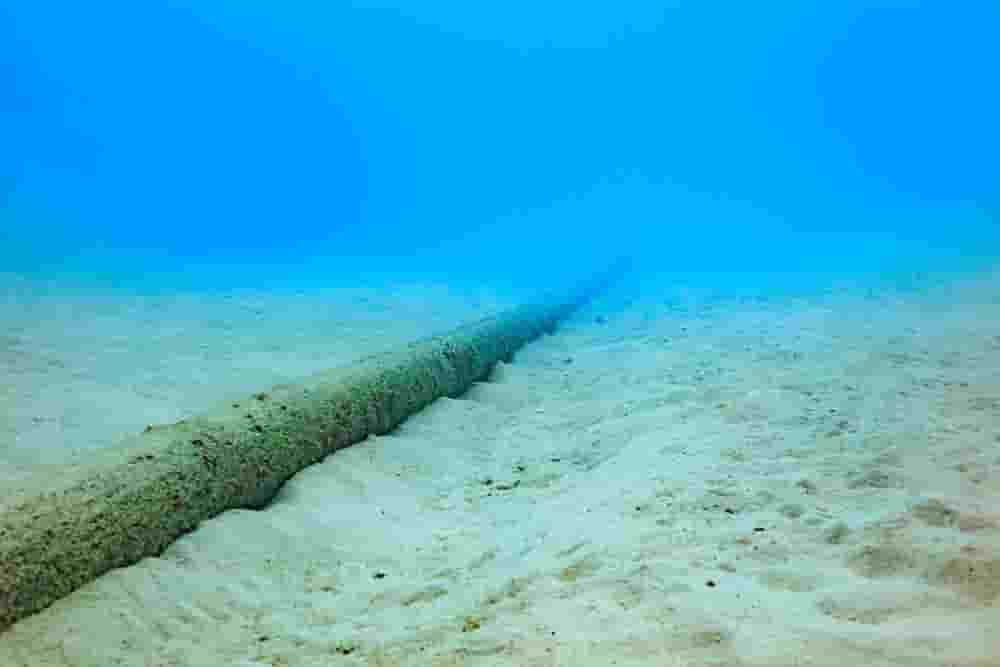
The transition toward global decarbonization is fundamentally changing how we move energy. As nations race to integrate variable renewable energy (VRE) sources like offshore wind and solar, cross-border submarine power interconnections have emerged as a critical economic and infrastructural backbone. These subsea "superhighways" do more than just transport electrons; they redefine regional energy markets.
The Value Proposition: Arbitrage and Stability
At its core, the economic justification for submarine interconnectors rests on price arbitrage. By linking two different markets, electricity can flow from a lower-cost region to a higher-cost one. This levels the playing field, reducing wholesale prices for consumers while providing producers with a broader customer base.
Furthermore, these cables provide essential grid flexibility. Because wind doesn't always blow and the sun doesn't always shine in the same place at the same time, interconnectors allow nations to share surpluses. This reduces the "curtailment" of renewable energy—where green power is wasted because the local grid cannot handle the load—thereby improving the Return on Investment (ROI) for renewable projects.
Capital Intensity vs. Long-term Gains
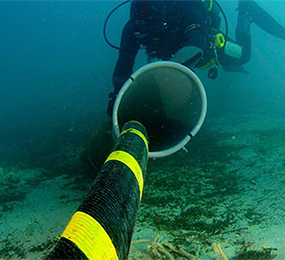
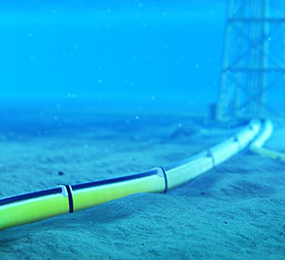
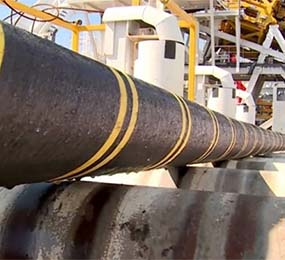
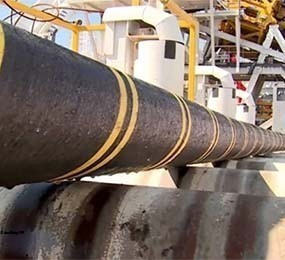
The primary hurdle is the staggering Capital Expenditure (CAPEX). Submarine cables require specialized vessels for installation, advanced HVDC (High Voltage Direct Current) technology to minimize transmission losses over long distances, and rigorous environmental assessments. However, when viewed through a 40-year lifecycle, the Operational Expenditure (OPEX) is relatively low compared to traditional thermal power plants.
Strategic Autonomy and Investment
Beyond direct revenue, these projects offer "system benefits" that are harder to quantify but vital for economic health. They reduce the need for expensive domestic "peaker" plants and enhance national energy security. As international regulatory frameworks evolve, we are seeing a shift toward "multi-purpose interconnectors" (MPIs) that combine transmission with offshore wind farm connections, further optimizing cost-sharing between nations.
Visit our website to know more: https://www.leadventgrp.com/events/6th-annual-submarine-power-cable-and-interconnection-forum/details
For more information and group participation, contact us: [email protected]
Leadvent Group - Industry Leading Events for Business Leaders!
www.leadventgrp.com| [email protected]




Comment