

Policy and Regulatory Frameworks for E-Fuels
The growing demands without compromising operations are a rising challenge in trying to achieve decarbonization in the heavy transport sector. Climate change is a rising concern that is making industries come up with innovative solutions, rethink worldwide energy consumption, and embrace sustainable alternatives.
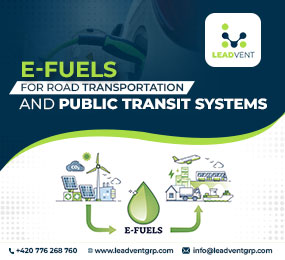
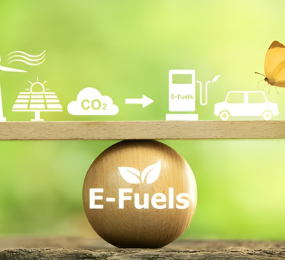
This is where e-fuels enter, which is also known as electrofuels. These synthetic fuels combine renewable electricity, water, and captured CO2 through advanced production processes.
Pilot projects and tech improvements have pushed commercial e-fuel production forward significantly. But scaling up still needs robust policy frameworks and regulatory support. Without proper incentives and clear regulations, even the best innovations get stuck in expensive demo phases.
As stakeholders gather at Leadvent Group's 2nd Annual World E-Fuel Summit, understanding these regulatory shifts has become essential for strategic planning and investment decisions.
The Indispensable Role of E-Fuels in Decarbonization
E-fuels are not just alternatives; they are now becoming indispensable components of our decarbonization strategy. Heavy-duty transport, including aviation, maritime shipping, and industrial processes, has always found it tough to adopt clean fuel.
However, due to their high energy density and seamless compatibility, they have the advantage of efficient integration. To break it down for easy understanding, e-fuels consume CO2 during production, grabbing it from industrial sources or even directly from the air. When the fuel burns later, it releases that same captured carbon. Net result? Zero new carbon added to the atmosphere. It's industrial recycling on steroids.
Global Policy Landscape: Regional Approaches and Learnings
Across the globe, nations are adopting strategies that are varied but equally determined to adopt and integrate e-fuels into their energy mix. Understanding these approaches is essential for broader adoption:
The European Union Leading the Charge
The EU is leading the way with its ambitious and multi-faceted regulatory framework. ReFuelEU Aviation requires airlines to use a blend of at least 2% SAF, and this requirement will gradually increase to 70% by 2050. There is also a specific quota beginning in 2030, so that 1.2% of all jet fuel used must come from e-fuels.
FuelEU Maritime sets greenhouse gas intensity limits for ships at EU ports, recognizing e-fuels as qualifying renewable alternatives.
Beyond mandates, the EU Hydrogen Bank and Important Projects of Common European Interest (IPCEIs) provide crucial financial backing for hydrogen and e-fuel development. However, the journey comes with its drawbacks; complexities like the "additionality" rules for renewable electricity used in hydrogen production present ongoing challenges.
United States Policy Evolution
In contrast, the United States prefers tax incentives over mandates. The Clean Fuel Production Credit (section 45Z) offers up to $1.75 per gallon for qualifying sustainable aviation fuel (SAF) if it meets high labor and emissions standards; if not, it drops to just $0.35 per gallon.
The Inflation Reduction Act (IRA) has been a game changer, introducing significant tax credits such as the Clean Hydrogen Production Tax Credit and the Clean Fuel Production Credit.
California’s low-carbon fuel standard continues driving innovation on the West Coast, while other states develop similar programs; this design mechanism dramatically lowers production costs there by stimulating domestic investment and production. The US strategy prioritizes leveraging economic signals to drive energy transitions.
Asia-Pacific Regulatory Development
The Asia-Pacific region and other parts of the world are actively developing their e-fuel strategy. Japan, through its Green Growth Strategy is commits government resources to synthetic fuel technology and establishes international partnerships for technology transfer.
Singapore positioned itself as the regional SAF hub early, developing import frameworks and operational regulations. Australia leverages its massive renewable energy potential, focusing on hydrogen and synthetic fuel production for export markets.
Charting The Path Forward with the Second Annual E-Fuel Summit
The path of widespread adoption comes with significant hurdles. Key challenges include the initial capital and operational requirements. Securing enough renewable electricity for industrial-scale production remains a critical task.
Infrastructure development adds another layer of complexity. Green fuel transport and storage require either new facilities or major modifications to existing ones. Both options come with technical challenges and budget implications.
Electrofuels represent a critical pathway to achieving climate goals and securing a sustainable energy future.
These vital discussions are important to define the industry’s trajectory, and the Second Annual E-fuel Summit serves as an ultimate platform for this critical exchange. We encourage you to join industry leaders, policymakers, and innovators at this pivotal event, where insights will converge, partnerships will solidify, and the very future of e-fuels will be actively shaped.
Frequently Asked Questions (FAQs)
What is the difference between e-fuels and biofuels?
Electrofuels are synthetic fuels made through renewable electricity, water electrolysis, and captured carbon dioxide. Biofuels come from organic materials like crops, algae, or waste. Both achieve carbon neutrality through completely different production pathways.
Which industries can benefit from the adoption of electrofuels?
Industries such as aviation, maritime shipping, and heavy-duty road transport are difficult to electrify, which is why they will benefit most from electrofuels due to their high energy density and compatibility with existing infrastructure.
Why are robust policy and regulatory frameworks so crucial for E-fuel development?
Policies provide the necessary financial incentives, market mandates, and clear standards to reduce costs, create demand, and ensure the sustainable production and certification of e-fuels, accelerating their commercial viability.
What is the primary focus of the 2nd Annual World E-Fuel Summit?
The summit focuses on bringing together industry leaders and policymakers to discuss and shape the future of e-fuels, particularly addressing the policy and regulatory frameworks essential for their widespread adoption and market growth.
How do e-fuels contribute to a circular carbon economy?
E-fuels contribute by utilizing captured carbon dioxide as a raw material, meaning the carbon dioxide released during combustion is the same carbon dioxide that was initially captured, thus avoiding the addition of new carbon to the atmosphere.







Comment