

Policy and Regulation Driving EV Charging Infrastructure Deployment
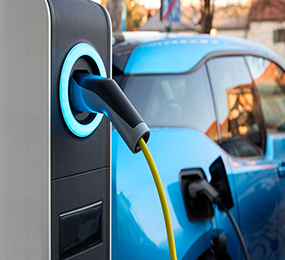
The global shift toward electric vehicles (EVs) is fundamentally reliant on the existence of a reliable, ubiquitous public charging network. This transition faces a classic “chicken-and-egg” dilemma: consumers won't buy EVs without accessible chargers, and companies won't build chargers without guaranteed EV demand. Consequently, government policy and regulation are the indispensable drivers necessary to overcome this market inertia and accelerate infrastructure deployment at the required scale and pace.
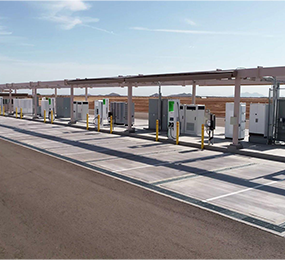
The first major policy lever involves financial incentives and public funding. Governments utilize tax credits, grants, and rebates to lower the capital expenditure (CapEx) for charge point operators and property owners. Programs like the U.S. National Electric Vehicle Infrastructure (NEVI) formula program, or similar European Union initiatives, dedicate billions to strategically build fast-charging corridors. These financial interventions de-risk private investment, ensuring that deployment is prioritized not just in profitable urban centers, but also along crucial highways and in underserved communities to promote charging equity.
Equally critical are regulatory and technical standards. Policymakers are mandating open communication protocols, such as OCPP (Open Charge Point Protocol), to ensure interoperability—meaning any EV can charge on any network, regardless of the provider. Furthermore, regulations often address technical specifications like connector types and minimum uptime requirements to guarantee a reliable user experience. Crucially, streamlining slow and complex local permitting processes is a powerful regulatory action that removes bureaucratic roadblocks, allowing construction timelines to be drastically shortened and speeding up market entry across diverse regions.
Ultimately, effective policy provides the necessary market certainty and a clear roadmap for investment. By combining direct financial support with mandatory technical and accessibility standards, regulatory bodies transform disparate private ventures into a cohesive, consumer-friendly national charging ecosystem. These policy actions are not merely supportive; they are the proactive foundation upon which the widespread and equitable adoption of electric mobility is built.
Visit our website to know more: https://www.leadventgrp.com/events/4th-annual-ev-charging-infrastructure-forum/details
For more information and group participation, contact us: [email protected]
Leadvent Group - Industry Leading Events for Business Leaders!









Comment