

Overcoming Barriers to Biogas Adoption in Urban Areas
Biogas, produced through the anaerobic digestion of organic waste streams like municipal sewage and food scraps, represents a powerful, localized solution for urban sanitation and sustainable energy generation. However, realizing its potential in dense metropolitan areas is hindered by specific logistical and structural barriers that must be strategically overcome.
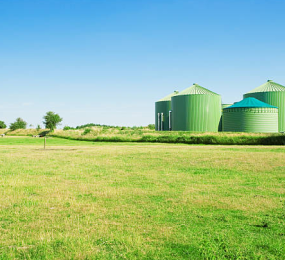
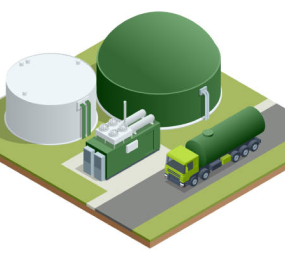
One of the foremost challenges is the constraint of physical space and investment. Traditional biogas plants require significant land area, which is prohibitively expensive and scarce in city centers. Overcoming this requires a shift towards decentralized and modular systems. Placing smaller, purpose-built digesters closer to major waste generators—such as markets, large apartment complexes, or water treatment facilities—reduces the need for extensive, centralized piping and transportation. Furthermore, technological innovation in compact, high-efficiency digesters can lower the physical footprint, making integration into existing urban infrastructure viable.
The second major barrier involves logistics and public perception. Efficient biogas production depends on consistent, well-sorted organic feedstock, which is challenging to secure amidst complex urban waste management systems. This necessitates robust source separation programs supported by municipal policy and public education. Simultaneously, communities often resist new plants due to concerns over odor, noise, and perceived safety risks (the "Not In My Backyard" phenomenon). Advanced, closed-loop odor control technologies and transparent community engagement are vital. Educational campaigns must highlight the benefits—like energy independence, reduced landfill waste, and local job creation—to build social acceptance and integrate the technology into the urban fabric.
In conclusion, accelerating biogas adoption in cities requires moving beyond conventional approaches. Success depends on embracing modular technology that fits the urban landscape, paired with strong policy mandates for waste sorting, and proactive, technologically sound measures to address community concerns. By treating urban waste as a distributed energy resource, cities can create a circular economy that enhances both energy security and environmental health.
Visit our website to know more: https://www.leadventgrp.com/events/2nd-annual-biogas-biomethane-world-summit/details
For more information and group participation, contact us: [email protected]
Leadvent Group - Industry Leading Events for Business Leaders!







Comment