

Non-Road Mobile Machinery: Unseen Power, Visible Impact
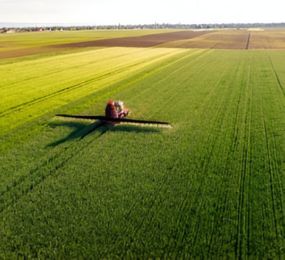
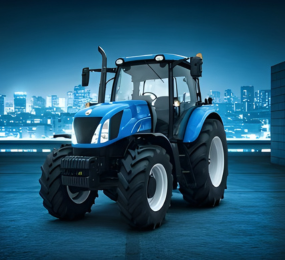
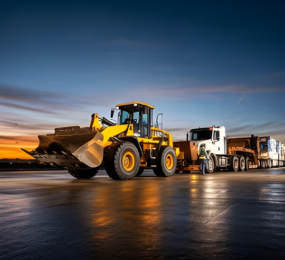
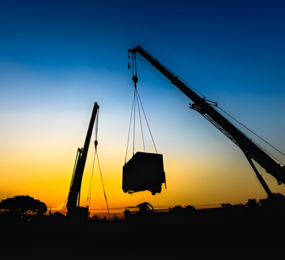
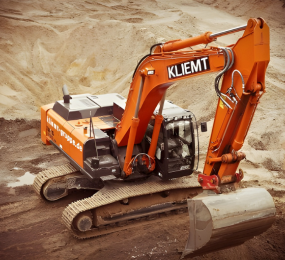
From the construction sites that shape our cities to the farms that feed our communities, Non-Road Mobile Machinery (NRMM) plays a crucial yet often overlooked role in modern life. These machines, which include excavators, bulldozers, agricultural tractors, mobile cranes, and generators, may not travel our highways, but their environmental footprint is far-reaching.
Unlike road vehicles, NRMM has traditionally operated outside stringent emission and efficiency standards. For decades, this lack of regulation contributed to high levels of air pollution and carbon emissions, particularly in urban and industrial areas. But times are changing. Around the world, governments, manufacturers, and environmental bodies are coming together to rethink the role of NRMM in a cleaner, more sustainable future.
One of the biggest shifts has come from emission regulation standards. In regions like the European Union, stricter rules now require newer NRMM engines to meet lower particulate and nitrogen oxide (NOx) emissions. Similar policies are gradually being adopted in parts of Africa, Asia, and the Americas. These standards are driving innovation in cleaner engine technologies and fueling a move toward hybrid and fully electric machinery.
Manufacturers are rising to the challenge by developing smarter, more efficient models that reduce fuel consumption and noise. These innovations aren’t just good for the environment they’re better for workers and communities too. Quieter, cleaner machines mean safer construction sites, improved air quality, and healthier working conditions.
However, upgrading fleets is not without obstacles. For many contractors and operators, especially in developing regions, the cost of replacing older machines or retrofitting them with emission controls can be prohibitive. Here, public-private partnerships and incentive programs are essential. Governments and development agencies must work hand-in-hand with industry players to support affordable transitions without disrupting livelihoods or productivity.
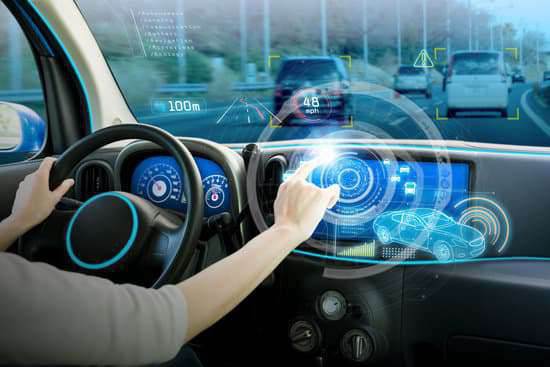
Digital technologies are also making a difference. Telematics, real-time monitoring, and predictive maintenance are helping operators reduce idle time, manage fuel use, and track environmental performance. These tools offer not only cost savings but also a pathway to smarter and more sustainable operations.
Ultimately, the conversation around NRMM is part of a larger movement toward decarbonizing heavy industries and building climate resilience. As infrastructure and development projects surge especially across rapidly growing regions like Africa and Southeast Asia it’s critical that the machines powering this growth do so responsibly.
Takeaway Point:
Non-Road Mobile Machinery is a silent powerhouse behind global development, but its environmental impact can no longer be ignored. By embracing cleaner technologies, smarter policies, and collaborative solutions, we can ensure that progress doesn’t come at the planet’s expense.
Learn more on our website: https://www.leadventgrp.com/event/2nd-annual-non-road-mobile-machinery-electrification-and-decarbonization-forum/register
For more information and group participation, contact us: [email protected]
Leadvent Group - Industry Leading Events for Business Leaders!
www.leadventgrp.com | [email protected]





Comment