

Non-Road Mobile Machinery: Powering Progress Beyond the Highway
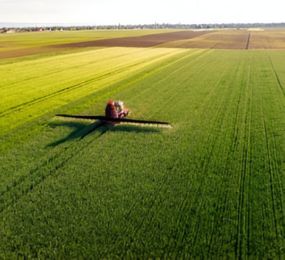
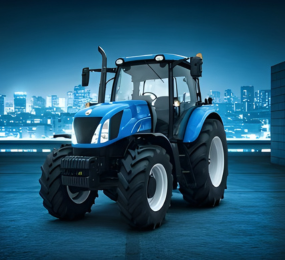
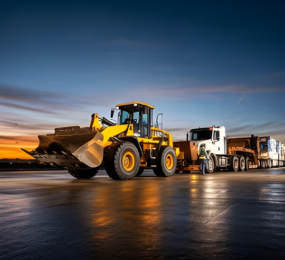
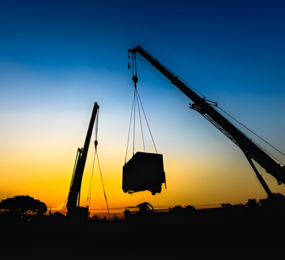
While much attention is given to cars, trucks, and buses, a vast range of machines work tirelessly away from the public eye, powering industries that keep our world running. These are Non-Road Mobile Machinery (NRMM) a category that includes construction equipment, agricultural tractors, mining machines, industrial forklifts, and even airport ground-support vehicles.
NRMM plays a critical role in building infrastructure, producing food, extracting resources, and maintaining essential services. Their impact is significant, yet so is their environmental footprint, which has brought them under growing scrutiny from regulators and industry stakeholders.
Understanding NRMM
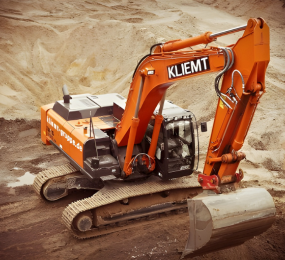
NRMM refers to any mobile machine not intended for passenger or goods transport on public roads. They are designed for specialized tasks and often operate in demanding environments. From excavators digging foundations to harvesters working vast farmlands, these machines are built for power, durability, and adaptability.
However, unlike road vehicles, NRMM historically faced less stringent emission controls, resulting in higher levels of pollutants such as nitrogen oxides (NOx) and particulate matter. This is changing rapidly as governments and industries push for cleaner technologies.
Regulations and Standards
In many regions, NRMM must now meet strict emission requirements similar to those for on-road vehicles. The EU Stage V standards, for example, set tough limits on harmful emissions from diesel-powered machinery. Manufacturers are responding by developing more efficient engines, adopting hybrid systems, and exploring zero-emission alternatives such as electric and hydrogen-powered NRMM.
These measures are not only about environmental compliance they are also driving cost savings through better fuel efficiency and reduced maintenance needs.
Technological Innovations
Advancements in technology are transforming NRMM in ways that boost both productivity and sustainability. Key trends include:
1. Electrification: Electric-powered machinery is gaining traction in urban construction sites and indoor operations where noise and air pollution must be minimized.
2. Automation and Telematics: Remote monitoring and autonomous functions improve efficiency, reduce downtime, and enable predictive maintenance.
3. Hybrid Systems: Combining diesel engines with battery storage to cut fuel use and emissions.
These innovations are not only reshaping how machines operate but also redefining the skills required for operators and technicians.
Challenges Ahead
Despite progress, several challenges remain. Electrification requires robust charging infrastructure, which is not always feasible in remote areas. Initial investment costs for cleaner technologies can be high, and industry-wide adoption takes time. Nonetheless, the long-term benefits in reduced emissions, improved air quality, and enhanced efficiency are pushing the sector forward.
Takeaway Point:
NRMM may work away from the spotlight, but its role in shaping our cities, farms, and industries is immense. By embracing cleaner, smarter, and more efficient technologies, the sector is moving toward a future where productivity and environmental responsibility go hand in hand.
Learn more on our website: https://www.leadventgrp.com/event/2nd-annual-non-road-mobile-machinery-electrification-and-decarbonization-forum/register
For more information and group participation, contact us: [email protected]
Leadvent Group - Industry Leading Events for Business Leaders!
www.leadventgrp.com | [email protected]






Comment