

Non-Road Mobile Machinery (NRMM): A Sector in Transition
In the shadows of transport conversations often dominated by electric cars and clean mobility, another vital contributor to emissions and fuel consumption has slowly entered the spotlight Non-Road Mobile Machinery (NRMM).
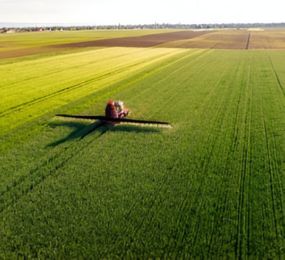
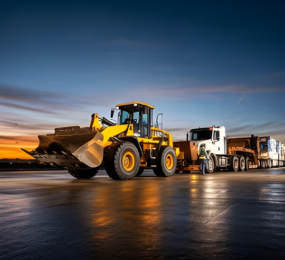
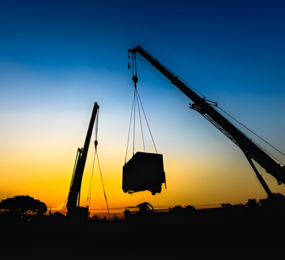
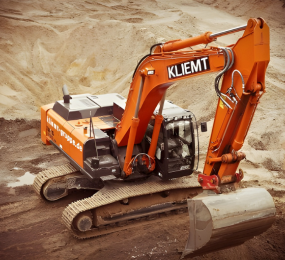
NRMM refers to a wide range of equipment that doesn’t operate on public roads but is critical to industries like construction, agriculture, mining, railways, and airport operations. From bulldozers to harvesters and generators, these machines work behind the scenes to power economies. However, for a long time, they’ve done so with little environmental oversight.
That’s changing fast.
Governments and industry leaders are now turning serious attention to this sector. Why? Because NRMM accounts for a significant share of particulate matter, nitrogen oxide (NOx), and carbon emissions in urban and industrial zones. As climate targets tighten, and public awareness grows, NRMM is no longer exempt from scrutiny.
In Europe, for example, stringent Stage V emission regulations are now in force, pushing manufacturers to redesign engines, reduce emissions, and invest in cleaner fuels or electrification. Globally, similar policies are starting to reshape procurement and production standards.
But this is not just about compliance it’s about innovation.
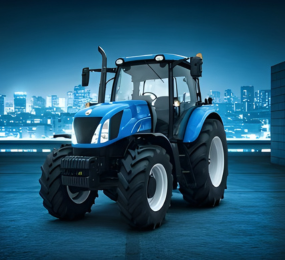
We are beginning to see electrified excavators, hybrid agricultural tractors, and cleaner diesel technologies emerge as real solutions. Some companies are exploring hydrogen-powered or fully battery-electric alternatives. The shift is slow, but it’s promising and it opens the door for startups, engineers, and policymakers to rethink how these machines are made, used, and maintained.
For fleet operators and contractors, the transition poses both a challenge and an opportunity. Cleaner machines are often more expensive upfront, but they bring long-term gains in fuel efficiency, reduced maintenance, and perhaps most importantly social license to operate in a world that increasingly values sustainability.
There’s also a workforce angle to consider. Mechanics and technicians will need training to handle the new generation of low-emission engines and electric drivetrains. This transition will require partnerships between industry players, vocational institutions, and government regulators to ensure no one is left behind.
In Africa and other developing regions, the issue is also one of access. Much of the NRMM used today is second-hand, imported from countries with outdated emission standards. For change to take root globally, financing and technology sharing must be inclusive bridging the gap between environmental responsibility and practical development needs.
Takeaway Point:
The future of NRMM lies at the intersection of innovation, regulation, and responsibility. As emission standards rise and sustainability becomes non-negotiable, stakeholders across the board must work together to transform this essential but often overlooked sector for a cleaner, more efficient future.
Learn more on our website: https://www.leadventgrp.com/event/2nd-annual-non-road-mobile-machinery-electrification-and-decarbonization-forum/register
For more information and group participation, contact us: [email protected]
Leadvent Group - Industry Leading Events for Business Leaders!
www.leadventgrp.com | [email protected]







Comment