

Non-Road Mobile Machinery: At the Heart of a Low-Emission Transition
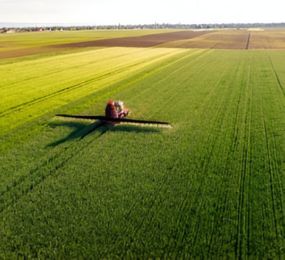
When conversations around emissions and clean energy come up, attention often centers on road transport, aviation, and industry. But there's another sector operating largely out of the spotlight Non-Road Mobile Machinery (NRMM). These machines, found in construction sites, farms, rail yards, ports, and mining operations, may not travel on highways, but they play a massive role in the engine of the economy and the environment.
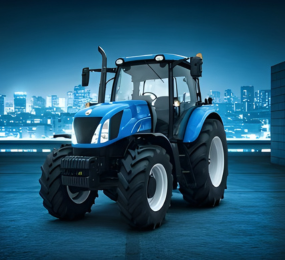
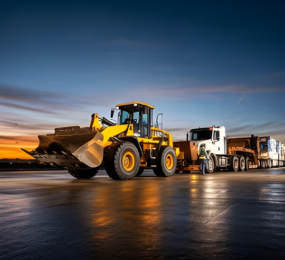
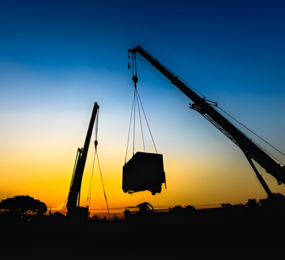
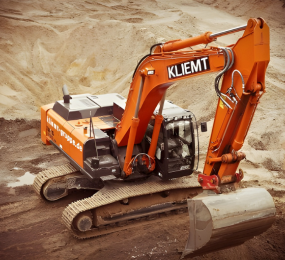
NRMM includes equipment such as excavators, bulldozers, cranes, agricultural tractors, harvesters, and generators. While indispensable to infrastructure and food production, many of these machines are powered by diesel engines—making them significant contributors to local air pollution and greenhouse gas emissions. Until recently, regulations around their emissions were relatively lenient compared to those in the automotive industry.
However, the tide is turning. As global efforts intensify to tackle climate change and improve air quality, NRMM is now coming under closer scrutiny. Countries across Europe, North America, and parts of Asia have begun implementing stricter emission standards—pushing manufacturers to rethink how these machines are powered and designed.
The challenge isn’t small. These machines operate in demanding environments, often in remote areas and under heavy workloads. But the engineering community is responding. We're now seeing the rise of hybrid powertrains, battery-electric machinery, and even hydrogen-fueled engines tailored to meet both performance and sustainability goals. Some equipment manufacturers are leading the way with fully electric excavators or retrofitting kits for older models to cut emissions without sacrificing power.
For operators, there are also financial motivations to adapt. Cleaner, more efficient engines mean lower fuel costs, longer maintenance cycles, and the ability to meet regulatory requirements that might soon become mandatory for certain work sites. Cities and municipalities are increasingly requiring low-emission machinery on public projects making innovation not just an environmental priority, but a business one too.
Yet, transformation won’t happen overnight. Many NRMM fleets are decades old, and transitioning to cleaner models requires investment, training, and time. Governments and industry players will need to work together, offering funding support, clear policy pathways, and technology-sharing platforms that help smaller contractors keep pace with change.
Takeaway Point:
Non-road mobile machinery may not be visible in daily traffic, but it is central to the construction, farming, and logistics industries. As the world moves toward low-
emission economies, these machines must be part of the solution. With the right mix of innovation, regulation, and investment, NRMM can help build not just infrastructure but a cleaner, more sustainable future.
Learn more on our website: https://www.leadventgrp.com/event/2nd-annual-non-road-mobile-machinery-electrification-and-decarbonization-forum/register
For more information and group participation, contact us: [email protected] .
Leadvent Group - Industry Leading Events for Business Leaders!
www.leadventgrp.com | [email protected]






Comment