

Non-Road Mobile Machinery and Decarbonization Safety: The Silent Transition Powering Cleaner Worksites
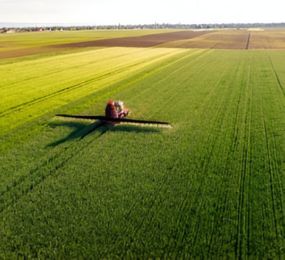
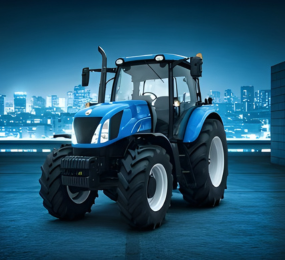
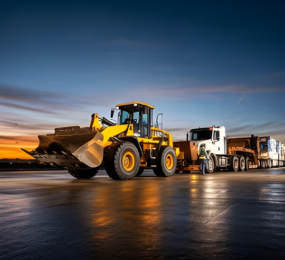
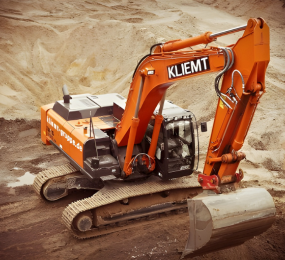
While much attention in the global climate conversation is focused on road vehicles, there's a quieter but equally crucial shift happening in the world of Non-Road Mobile Machinery (NRMM). These include machines like excavators, bulldozers, agricultural tractors, and airport ground equipment machines that don’t run on highways but are vital to sectors like construction, mining, agriculture, and logistics.
For decades, NRMM has been heavily dependent on diesel engines robust, efficient, but emissions-intensive. As governments and industries push for greener operations, this sector is now undergoing a transformational shift toward decarbonization. But with this shift comes an equally important priority: ensuring that the safety of both operators and environments evolves alongside cleaner technology.
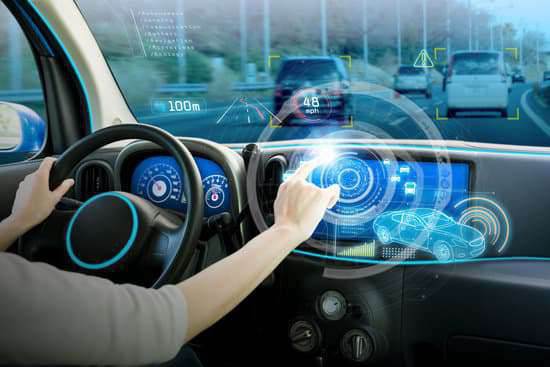
The decarbonization of NRMM is not just about swapping diesel for electric or hydrogen fuel cells. It involves rethinking machine design, integrating new energy systems, upgrading power management, and deploying advanced digital controls. Each of these changes introduces new safety considerations ranging from battery overheating and high-voltage risks to the handling of pressurized gases and complex autonomous systems.
Manufacturers, regulators, and end-users are now navigating how to balance sustainability goals with operational safety. Unlike passenger cars, NRMM often operates in high-risk environments confined construction sites, muddy farms, or remote mining fields. Introducing new propulsion technologies into such settings requires robust planning, proper training, and fail-safe engineering.
Moreover, maintenance teams and machine operators must adapt to new safety protocols. Technicians who previously worked with diesel engines must now understand electric drivetrains or hydrogen storage systems. Operators must be equipped to manage machinery that behaves differently under electric or hybrid configurations. This calls for an investment not just in machines, but in people and processes.
Regulatory frameworks are starting to catch up. The EU, for instance, has introduced more stringent Stage V emission standards, while also encouraging innovation through funding and research. At the same time, companies are voluntarily adopting safety-integrated design standards, ensuring that decarbonization doesn’t come at the cost of reliability or human wellbeing.
As the race toward net-zero emissions intensifies, the role of NRMM in sustainable infrastructure cannot be overlooked. Cleaner, safer machines are becoming a symbol
of responsible growth where environmental performance and human safety are treated as two sides of the same coin.
Takeaway Point:
The transition to low-emission NRMM is a vital step toward global decarbonization, but it must go hand-in-hand with safety innovation. Ensuring operators, technicians, and machines adapt safely to this new era is key to building a sustainable, risk-aware future in industries that keep the world moving.
Learn more on our website: https://www.leadventgrp.com/event/2nd-annual-non-road-mobile-machinery-electrification-and-decarbonization-forum/register
For more information and group participation, contact us: [email protected]
Leadvent Group - Industry Leading Events for Business Leaders!
www.leadventgrp.com | [email protected]





Comment