

Non-Road Mobile Machinery and Decarbonization: Clearing a Greener Path Forward
When discussions around decarbonization surface, the spotlight often falls on electric cars, industrial emissions, or renewable energy. Yet, behind the scenes, an entire class of equipment works tirelessly on construction sites, farms, ports, and mines. Known as non-road mobile machinery (NRMM), these machines are essential to modern infrastructure, but they’ve traditionally relied on diesel power, contributing significantly to greenhouse gas emissions and air pollution.
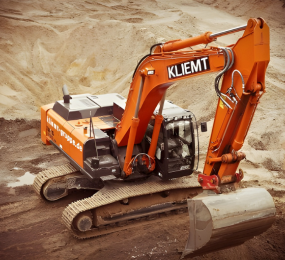
From excavators and bulldozers to harvesters and airport ground support vehicles, NRMM plays an indispensable role in everyday operations across sectors. However, the environmental footprint of this machinery has largely gone unaddressed—until now. A wave of innovation, regulation, and investment is pushing this sector into the spotlight as part of broader climate commitments.
A Harder Sector to Clean Up But Not Impossible
Decarbonizing NRMM is complex. These machines often operate in remote or rugged environments, require high torque for extended hours, and have long operational lifespans. Retrofitting or replacing them isn’t as straightforward as swapping a family car for an EV.
But change is coming. Manufacturers are developing battery-electric versions of smaller machinery, hydrogen-powered engines for heavy-duty applications, and hybrid models that reduce fuel consumption without compromising performance. Trials of fully electric construction sites in Europe and Asia are already underway, proving that the transition is feasible.
Meanwhile, smart telematics and digital monitoring tools are being used to track fuel use, emissions, and idle time helping operators reduce their environmental impact even before switching powertrains.
Policy, Investment, and the Push Toward Cleaner Machines
The shift is also being accelerated by policy. The European Union’s Stage V emission standards, for instance, have tightened regulations on particulate matter and nitrogen oxide emissions from NRMM. Urban development projects are beginning to specify low- or zero-emission equipment in contracts. And public procurement is favoring greener fleets.
Private sector initiatives are stepping up too. Construction and logistics companies are committing to net-zero targets, and investors are placing growing pressure on firms to account for Scope 1 emissions those from direct fuel combustion, including NRMM.
Takeaway Point
Non-road mobile machinery may operate behind the scenes, but its role in the fight against climate change is anything but secondary. As innovation meets regulation, and industry stakeholders embrace the call for cleaner operations, NRMM is becoming a crucial frontier in decarbonization. The path isn’t without challenges, but the destination is clear: a future where progress doesn’t come at the planet’s expense
Learn more on our website: https://www.leadventgrp.com/event/2nd-annual-non-road-mobile-machinery-electrification-and-decarbonization-forum/register
For more information and group participation, contact us: [email protected]
Leadvent Group - Industry Leading Events for Business Leaders!
www.leadventgrp.com | [email protected]










Comment