

Navigating the Maze: Strategic Management of Logistics and Transportation Risks
In the modern global economy, logistics and transportation are the arteries of commerce. However, these arteries are increasingly susceptible to blockages. From geopolitical shifts and volatile fuel prices to extreme weather events and cyber-attacks, the risk landscape is more complex than ever. Effectively managing these risks is no longer a back-office function; it is a fundamental pillar of business continuity.
The Multi-Dimensional Risk Profile
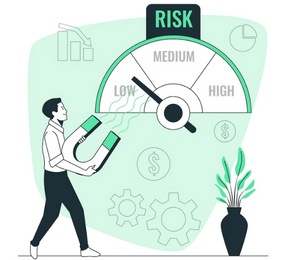
Logistics risks generally fall into three categories: operational, financial, and strategic. Operational risks involve physical disruptions, such as vehicle breakdowns or port congestion. Financial risks encompass fluctuating freight rates and currency exchange volatility. Strategic risks are broader, involving changes in trade regulations or shifts in global sourcing hubs.
Proactive Mitigation Strategies
The most resilient organizations move from a reactive "firefighting" mode to a proactive risk management posture. Key strategies include:
- Diversification of Carriers and Routes: Relying on a single logistics partner or a specific trade lane creates a "single point of failure." Multi-modal transportation—combining sea, air, and rail—provides the flexibility needed to bypass localized disruptions.
- Real-Time Visibility and Data Analytics: Utilizing IoT sensors and AI-driven platforms allows managers to track shipments in real-time. This data enables "predictive logistics," where teams can anticipate delays caused by weather or strikes before they occur.
- Robust Insurance and Legal Frameworks: Beyond standard cargo insurance, businesses must ensure that contracts include clear Force Majeure clauses and well-defined Incoterms to allocate risk properly between buyers and sellers.
The Role of Technology
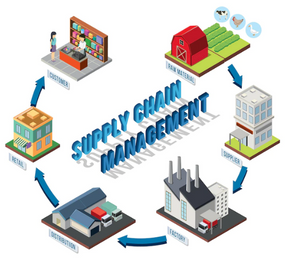
Digital twins and blockchain technology are transforming risk management by providing an immutable record of the supply chain and allowing for the simulation of "what-if" disaster scenarios. By stress-testing the logistics network digitally, companies can identify vulnerabilities before they manifest in the physical world.
Ultimately, managing transportation risk is about building agility. Those who can pivot quickly in the face of uncertainty will not only survive disruptions but will gain a significant competitive advantage.
Visit our website to know more: https://www.leadventgrp.com/events/3rd-annual-supply-chain-risk-and-resilience-forum/details
For more information and group participation, contact us: [email protected]
Leadvent Group - Industry Leading Events for Business Leaders!
www.leadventgrp.com| [email protected]














Comment