

Marine Fuels: Steering Global Shipping into a New Energy Era
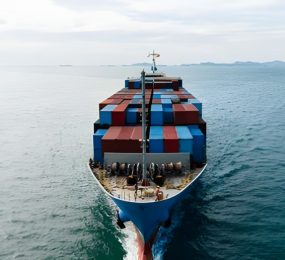
Shipping remains the backbone of international trade, moving goods across oceans and connecting economies worldwide. At the center of this vast network are marine fuels—the energy sources that power vessels over long distances. As environmental expectations rise and regulatory standards become more stringent, the evolution of marine fuels is becoming a defining issue for the maritime sector.
For decades, heavy fuel oil (HFO) has been the dominant choice for large vessels, valued for its high energy density and cost efficiency. Marine diesel has also been widely used, particularly for smaller ships and auxiliary engines. While these fuels have supported reliable operations, they are also associated with significant emissions, including carbon dioxide, sulfur oxides, and particulate matter.
The push for cleaner shipping has led to the adoption of lower-emission fuel options. One of the most immediate changes has been the shift to very low sulfur fuel oil (VLSFO), driven by international regulations aimed at reducing sulfur emissions. This transition has contributed to improved air quality, particularly around major ports and shipping routes.
Liquefied natural gas (LNG) has emerged as another alternative. Compared to traditional marine fuels, LNG produces fewer emissions of sulfur and particulates and offers a reduction in carbon emissions. While it is not a zero-carbon solution, it serves as a transitional fuel as the industry works toward deeper decarbonization.
Looking ahead, the focus is increasingly on sustainable marine fuels that can significantly lower environmental impact. Biofuels, produced from renewable sources such as waste oils and agricultural residues, are being explored as drop-in solutions that can work with existing engines. This makes them an attractive option for operators seeking to reduce emissions without extensive modifications.
In addition, fuels such as green methanol, ammonia, and hydrogen are gaining attention. These alternatives have the potential to reduce or eliminate carbon emissions when produced using renewable energy. However, their adoption depends on the development of new infrastructure, updated vessel designs, and clear safety standards.
Technological innovation is also improving fuel efficiency. Modern ships are designed with advanced propulsion systems, optimized hull structures, and digital monitoring tools that help reduce fuel consumption. These improvements not only lower emissions but also enhance operational performance.
Infrastructure remains a key challenge in the transition. Ports and fueling systems must adapt to accommodate new types of marine fuels, requiring coordinated investment across the industry. Collaboration between shipping companies, fuel providers, and governments is essential to support this shift.
Economic considerations play a significant role as well. Sustainable marine fuels are currently more expensive than conventional options, which can affect adoption rates. However, as production scales and technologies advance, costs are expected to decline over time.
Marine fuels are no longer just about powering vessels—they are central to the maritime industry’s sustainability journey. The transition toward cleaner fuels reflects a broader commitment to reducing environmental impact while maintaining the efficiency of global trade.
Takeaway Point:
Marine fuels are evolving toward cleaner and more sustainable alternatives, enabling the shipping industry to reduce emissions while maintaining efficient and reliable global operations.













Comment