

Marine Fuels: Navigating the Transition Toward Sustainable Shipping
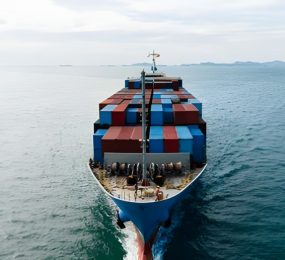
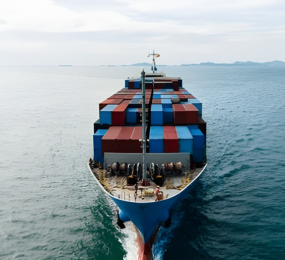
The global shipping industry is responsible for transporting the majority of the world’s trade, making it one of the most important sectors in the international economy. Behind this massive network are marine fuels—the energy sources that power cargo ships, tankers, ferries, and other vessels across oceans and waterways. As environmental regulations tighten and sustainability becomes a greater priority, marine fuels are undergoing significant transformation.
For decades, heavy fuel oil (HFO) has been the dominant fuel used in shipping due to its affordability and energy density. Marine diesel has also played an important role, particularly in smaller vessels and auxiliary systems. While these fuels have supported efficient maritime operations, they are also associated with high emissions of carbon dioxide, sulfur oxides, and particulate matter.
Growing environmental concerns have accelerated the push for cleaner fuel alternatives. One of the first major shifts came through the adoption of very low sulfur fuel oil (VLSFO), introduced to comply with international regulations aimed at reducing sulfur emissions from ships. This transition has helped improve air quality around ports and major shipping routes.
Liquefied natural gas (LNG) has also emerged as a transitional marine fuel. Compared to conventional fuel oils, LNG produces fewer sulfur emissions and lower particulate pollution. It can also reduce carbon emissions to some extent. However, LNG is generally viewed as an intermediate solution rather than a final answer to maritime decarbonization.
The industry is now exploring next-generation sustainable marine fuels capable of delivering deeper emission reductions. Biofuels are among the most practical options currently available. Produced from renewable feedstocks such as waste oils and agricultural residues, biofuels can often be used within existing marine engines with minimal adjustments.
Green methanol and ammonia are also attracting growing attention. These fuels have the potential to significantly lower or eliminate carbon emissions when produced using renewable energy sources. Several shipping companies and engine manufacturers are investing in vessels designed to operate on these alternative fuels, signaling a shift toward long-term sustainability.
Hydrogen is another promising option for the future of marine transportation. Although challenges related to storage, safety, and infrastructure remain, hydrogen technology continues to advance and may play a larger role as the industry evolves.
Beyond fuel innovation, shipping companies are improving operational efficiency to reduce fuel consumption. Modern vessels are being designed with more efficient hull structures, advanced propulsion systems, and digital monitoring technologies that optimize performance. Route optimization and improved fleet management are also helping reduce unnecessary fuel usage.
Infrastructure development remains one of the industry’s biggest challenges. Ports and fueling facilities must adapt to accommodate new fuel types safely and efficiently. This transition requires coordinated investment from governments, shipping companies, energy providers, and logistics operators.
Cost is another important factor. Sustainable marine fuels are currently more expensive than conventional options, which can slow widespread adoption. However, as technology improves and production scales increase, costs are expected to become more competitive over time.
Regulatory frameworks are helping accelerate progress. International maritime organizations and national governments are introducing emissions targets and sustainability policies that encourage cleaner shipping practices.
Marine fuels are no longer simply about powering vessels—they are central to the future of global trade and environmental responsibility. The transition toward cleaner fuels represents a critical step in building a more sustainable maritime industry.
Takeaway Point:
Marine fuels are evolving toward cleaner and more sustainable alternatives, helping the shipping industry reduce emissions while maintaining efficient global trade operations.
Learn more on our website: https://www.leadventgrp.com/event/world-sustainable-marine-fuels-forum/register
For more information and group participation, contact us: [email protected]
Leadvent Group - Industry Leading Events for Business Leaders!
www.leadventgrp.com | [email protected]








Comment