

Managing Peak Demand Through Intelligent EV Charging
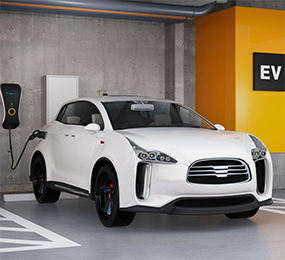
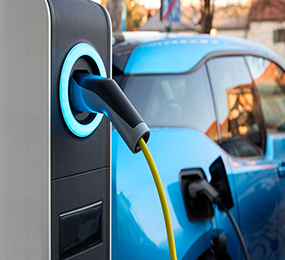
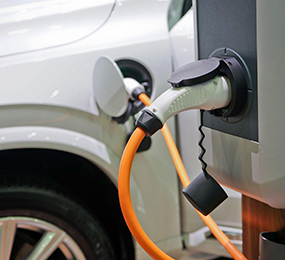
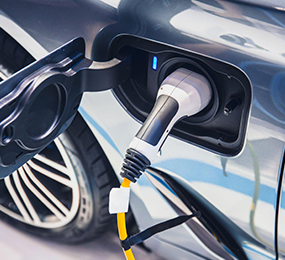
The rapid global adoption of electric vehicles (EVs) presents a paradoxical challenge for utility providers. While EVs are essential for decarbonization, their simultaneous charging—particularly during evening hours when residential energy use is at its zenith—threatens to overwhelm local distribution grids. To prevent costly infrastructure upgrades and localized blackouts, the industry is turning to "Intelligent Charging," a suite of technologies designed to transform EVs from a grid burden into a flexible energy asset.
The Peak Demand Challenge
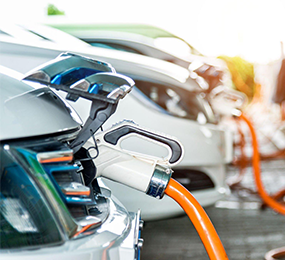
Peak demand occurs when the cumulative energy draw on the grid reaches its maximum capacity. In a traditional "dumb" charging scenario, drivers plug in their vehicles immediately upon returning home, coinciding with the peak use of HVAC systems and appliances. Without intervention, this "coincident peak" forces utilities to activate expensive and often carbon-intensive "peaker plants." Managing this surge is critical for maintaining grid stability and keeping energy costs affordable for all consumers.
Intelligent Solutions: V1G and V2X
The primary strategy for managing peak demand is Managed Charging (V1G). This involves a one-way communication where the charging station or vehicle adjusts the charging rate based on grid signals. By "shifting" the load to late-night or mid-day periods—when renewable energy is abundant and demand is low—operators can flatten the demand curve.
More advanced frameworks include Vehicle-to-Everything (V2X) technologies. In a V2G (Vehicle-to-Grid) setup, the EV acts as a mobile battery, discharging power back into the grid during peak hours to provide support. This creates a bidirectional relationship where the car is not just an energy consumer, but a participant in the energy market, providing frequency regulation and peak shaving services.
The Role of AI and Automation
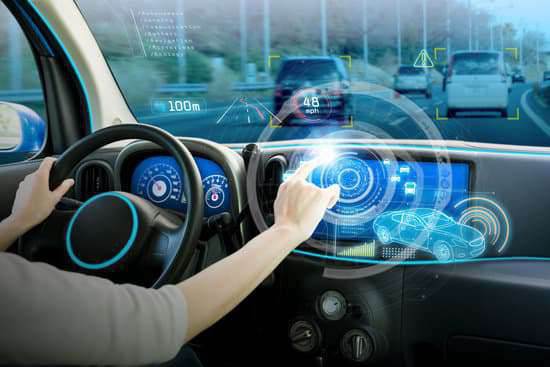
Artificial Intelligence is the catalyst for these systems. AI models analyze historical grid data, weather forecasts, and user behavior patterns to predict when peaks will occur. These systems can then automate the charging schedules of thousands of vehicles simultaneously, ensuring that every driver has a full battery by morning while the grid remains perfectly balanced.
Intelligent EV charging is the essential bridge between the transport and energy sectors. By leveraging data-driven load management, we can scale electric mobility without compromising the reliability of our power infrastructure, creating a more resilient and sustainable energy future.
Visit our website to know more: https://www.leadventgrp.com/events/4th-annual-ev-charging-infrastructure-forum/details
For more information and group participation, contact us: [email protected]
Leadvent Group - Industry Leading Events for Business Leaders!
www.leadventgrp.com| [email protected]




Comment