

Managing Mechanical Stress and Thermal Performance in Subsea Cables
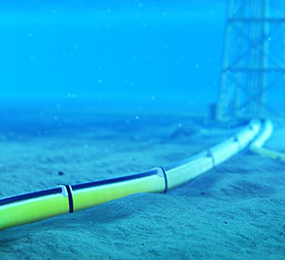
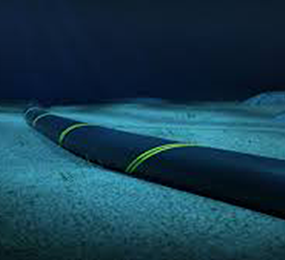
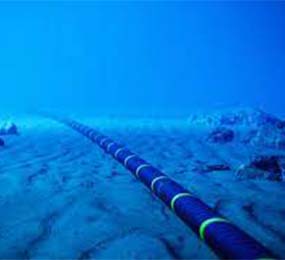
Subsea cables are the invisible backbone of international data exchange and the burgeoning offshore renewable energy sector. Operating in the harsh, high-pressure environments of the ocean floor, these systems must withstand a brutal combination of mechanical stress and thermal loads. Balancing these two factors is the primary challenge of modern subsea engineering.
Mechanical Integrity
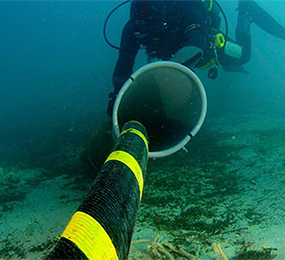
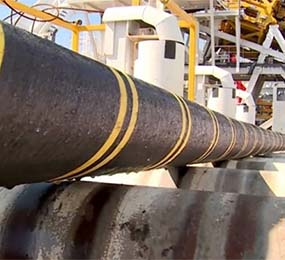
Mechanical stress begins at the surface. During deployment, cables endure massive "top tension" as they are lowered from laying vessels. Once submerged, they face hydrostatic pressure and dynamic forces such as Vortex-Induced Vibrations (VIV) caused by powerful underwater currents.
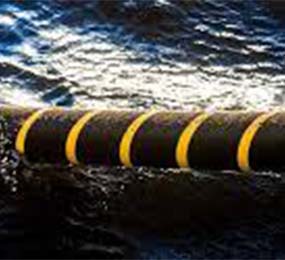
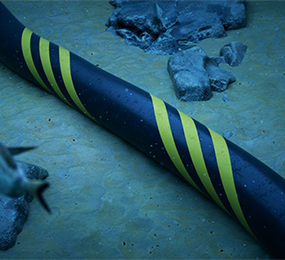
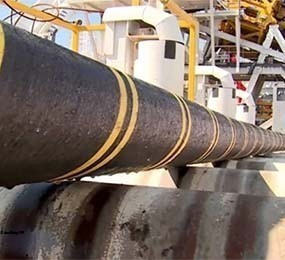
Protection is typically achieved through multi-layered armoring, often involving galvanized steel wires and outer layers of bitumen-coated yarn. For floating offshore wind applications, "dynamic cables" are used; these include reinforced lead sheathing and specialized bend stiffeners to handle the constant fatigue of wave motion and prevent the cable from exceeding its minimum bend radius.
Thermal Optimization
Thermal performance determines the "ampacity," or the maximum amount of power a cable can safely carry. As electricity flows through the copper or aluminum conductors, resistance generates heat. If this heat is not dissipated effectively, it can lead to the thermal degradation of the Cross-Linked Polyethylene (XLPE) insulation, eventually causing a dielectric failure.
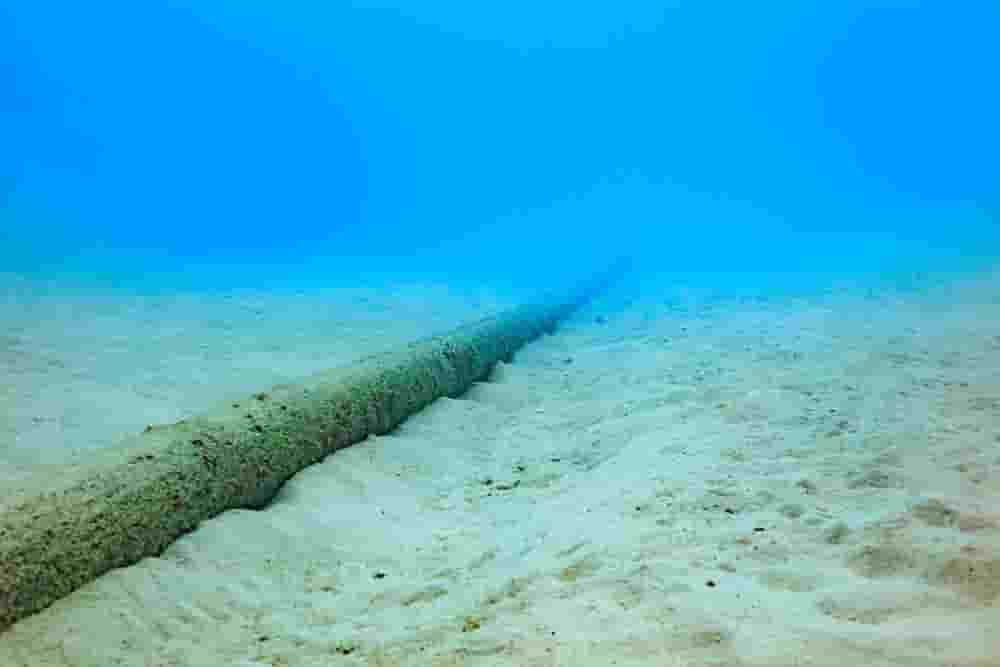
The surrounding environment—specifically the thermal resistivity of the seabed sediment—plays a massive role in cooling. Engineers must model "thermal bottlenecks" where burial depth or specific soil compositions (like dry sand) limit heat transfer.
Integrated Monitoring
The modern approach integrates Distributed Temperature Sensing (DTS) using embedded fiber optics. This technology provides a continuous, real-time "heartbeat" of the cable's thermal state across its entire length. By identifying hotspots early, operators can adjust power loads dynamically, ensuring the infrastructure remains resilient for its 25-to-30-year design life.
Visit our website to know more: https://www.leadventgrp.com/events/6th-annual-submarine-power-cable-and-interconnection-forum/details
For more information and group participation, contact us: [email protected]
Leadvent Group - Industry Leading Events for Business Leaders!
www.leadventgrp.com| [email protected]




Comment