

Key Technologies Driving Modern Submarine Power Cable Systems
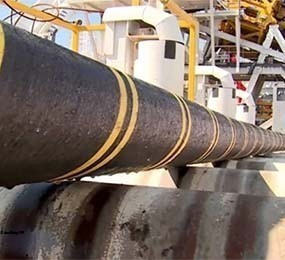
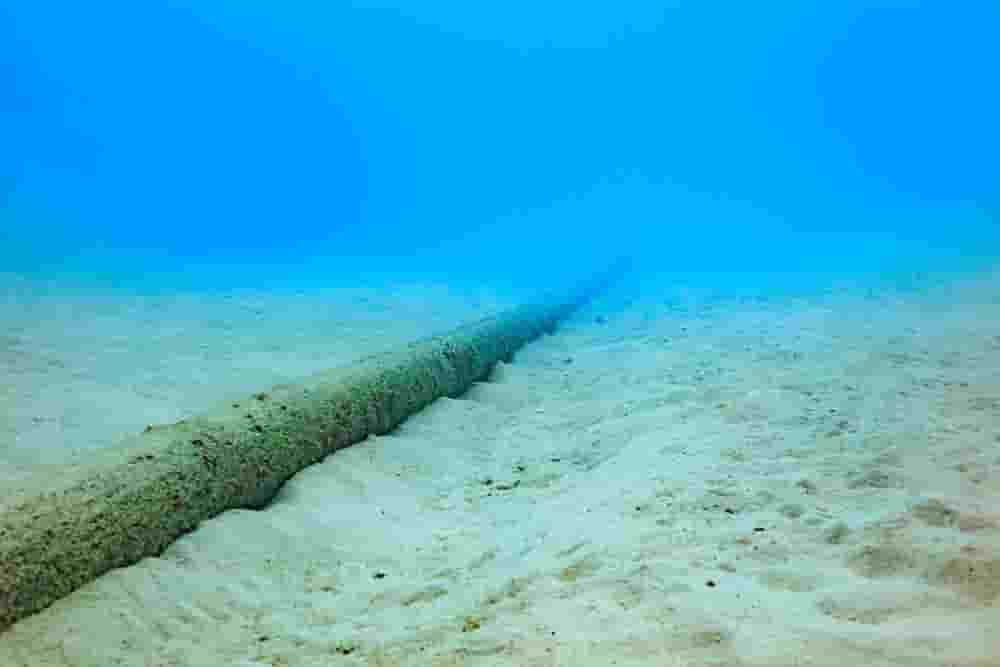
The global transition toward renewable energy and interconnected power grids has catalyzed a technological revolution in submarine power cable systems. As offshore wind farms move further into deeper waters and countries seek to share surplus green energy across borders, several key technologies have emerged to make these high-stakes subsea links more efficient, durable, and intelligent.
The most significant driver is the advancement of High Voltage Direct Current (HVDC) technology. Unlike traditional Alternating Current (AC) cables, which suffer from significant capacitive power losses over long distances, HVDC systems allow for the efficient transmission of electricity over hundreds of miles with minimal dissipation. This is made possible by sophisticated Voltage Sourced Converters (VSC), which manage the transition between sea-based generation and land-based grids with unprecedented stability.
Material science has also played a pivotal role, specifically through the refinement of Cross-Linked Polyethylene (XLPE) insulation. Historically, subsea cables relied on oil-impregnated paper, which posed environmental risks if the cable was breached. Modern XLPE insulation allows for higher operating temperatures and voltages while being lighter and more environmentally friendly. Furthermore, dynamic cabling technology is now being developed to support floating offshore wind platforms. These cables are designed with "lazy-S" or "wave" configurations and specialized armor to withstand the constant mechanical stress of ocean currents and platform movement.
Finally, the integration of "Smart Cable" technology is transforming maintenance. By embedding fiber-optic cores within the power cable, operators can utilize Distributed Temperature Sensing (DTS) and Distributed Acoustic Sensing (DAS). These systems provide real-time data on the cable’s structural integrity and thermal load, allowing for the detection of potential failures or external threats, such as anchor strikes, before they lead to a blackout. These innovations collectively ensure that the subsea power network is not just a conductor of electricity, but a resilient, intelligent component of the modern energy landscape.
Visit our website to know more: https://www.leadventgrp.com/events/5th-annual-submarine-power-cable-and-interconnection-forum/details
For more information and group participation, contact us: [email protected]
Leadvent Group - Industry Leading Events for Business Leaders!
www.leadventgrp.com [email protected]



Comment