

Innovating Wind Blade Materials for a Sustainable Energy Future
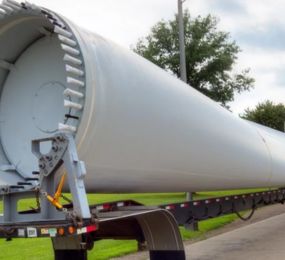
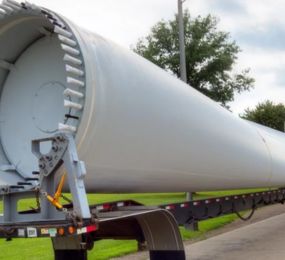
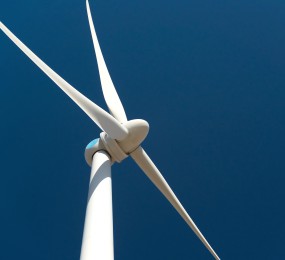
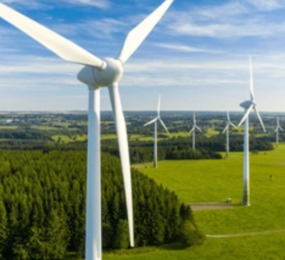
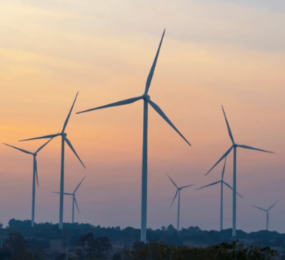
Wind energy has become a cornerstone of the global renewable transition, yet the sustainability of its components particularly turbine blades remains an ongoing challenge. At the heart of every wind turbine, blades are designed to withstand decades of stress from wind, weather, and rotation. But with thousands of turbines set to be decommissioned in the coming years, the question of what happens to these massive structures has pushed wind blade materials into the spotlight.
The Evolution of Blade Materials
Traditionally, wind blades have been constructed from composite materials, primarily fiberglass and epoxy resins. These materials were chosen for their light weight, durability, and ability to handle aerodynamic forces. Over the past decade, advancements introduced carbon fiber, which is stronger and lighter than fiberglass, allowing for longer blades and greater energy capture.
However, these material choices also present a dilemma: composites are notoriously difficult to recycle. As turbines grow in size and number, the industry is searching for ways to reconcile performance with end-of-life sustainability.
The Recycling Challenge
One of the major issues facing the wind sector is how to deal with retired blades. Many of these end up in landfills, which contradicts the very principles of clean energy. The challenge lies in separating the resin and fiber components, which are bonded in a way that resists conventional recycling methods.
This challenge has spurred research into mechanical grinding, thermal processing, and chemical recycling techniques, with promising but still costly results. In parallel, innovators are developing new blade designs using thermoplastic resins, which can be reheated and reshaped opening the door to recyclability at scale.
Innovations Shaping the Future
Recent breakthroughs highlight a shift toward circular blade materials. Thermoplastic composites, bio-based resins, and natural fibers are being tested as alternatives to conventional materials. Some manufacturers have already unveiled fully recyclable blades, showing that sustainability and performance do not need to be at odds.
In addition, partnerships between wind developers, recycling companies, and policymakers are helping create the infrastructure needed to handle decommissioned
blades responsibly. Initiatives such as repurposing blade materials for construction or transportation infrastructure offer practical ways to extend their lifecycle.
Balancing Cost and Sustainability
While the industry is making strides, the transition to new materials must also make economic sense. Carbon fiber, though efficient, remains expensive. Thermoplastics are still in their early stages of mass deployment. Achieving cost-effective, scalable solutions will determine how quickly these innovations move from prototype to standard practice.
Looking Ahead
As the demand for wind power continues to rise, the question is no longer whether we can build bigger and stronger blades, but how we can do so sustainably. The future of wind energy depends on materials that balance durability, performance, and environmental responsibility.
Takeaway Point: The future of wind energy lies not only in generating clean power but also in making the entire lifecycle of turbine blades sustainable. Through innovative materials and recycling solutions, the industry is closing the loop ensuring that renewable energy remains truly renewable.
Learn more on our website: https://www.leadventgrp.com/event/3rd-annual-wind-blade-materials-and-recycling-forum/register
For more information and group participation, contact us: [email protected]
Leadvent Group - Industry Leading Events for Business Leaders!
www.leadventgrp.com | [email protected]










Comment