

How Smart Charging is Transforming Electric Mobility
The transition to electric mobility is no longer just about swapping internal combustion engines for batteries; it is about how those batteries integrate with our energy ecosystems. At the heart of this evolution is Smart Charging, a data-driven technology that transforms electric vehicles (EVs) from passive energy consumers into active participants in the power grid.
The Shift from Plug-and-Play to Intelligent Power
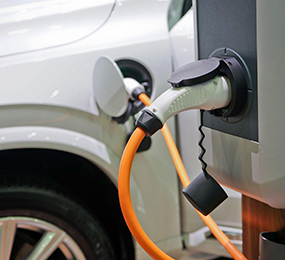
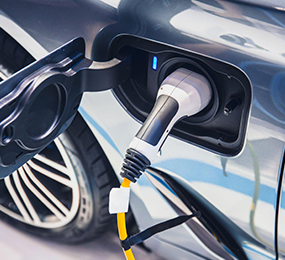
Traditional charging involves drawing maximum power the moment a vehicle is plugged in. While simple, this approach places immense strain on local transformers during peak hours. Smart charging disrupts this by establishing a digital handshake between the EV, the charger, and the grid operator. Through real-time data exchange, charging sessions can be shifted to "off-peak" hours—typically late at night when demand is low and renewable energy generation, like wind, is often at its highest.
Balancing the Grid with V2G and V2X
The most transformative aspect of smart charging is Bidirectional Charging, including Vehicle-to-Grid (V2G) and Vehicle-to-Home (V2H) technologies. In this model, EVs act as "rolling batteries." During periods of high grid instability or peak demand, smart systems can temporarily pause charging or even draw power back from the car to stabilize the frequency. This capability effectively turns a fleet of EVs into a decentralized power plant, reducing the need for fossil-fuel-based "peaker" plants.
Enhancing the User Experience
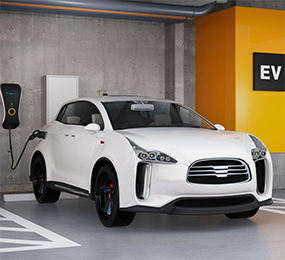
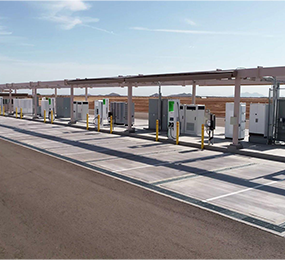
For the end user, smart charging translates to significant cost savings. By leveraging time-of-use (TOU) tariffs, automated systems ensure the vehicle is topped up when electricity is cheapest. Furthermore, as cities deploy more public infrastructure, smart load management allows multiple chargers to operate at a single site without exceeding the building's power capacity, accelerating the rollout of urban charging hubs.
Smart charging is the "brain" of the e-mobility revolution. By optimizing energy flow, it ensures that the green transition is not only sustainable but also resilient and economically viable.
Visit our website to know more: https://www.leadventgrp.com/events/4th-annual-ev-charging-infrastructure-forum/details
For more information and group participation, contact us: [email protected]
Leadvent Group - Industry Leading Events for Business Leaders!
www.leadventgrp.com| [email protected]





Comment