

How Geopolitical Tensions Impact Global Supply Chain Stability
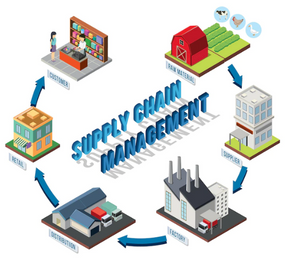
Geopolitical tensions have emerged as the single greatest non-market force threatening the stability of global supply chains. Unlike natural disasters or economic downturns, political crises—such as trade wars, sanctions, and regional conflicts—introduce sudden, systemic instability that forces enterprises to shift their strategic focus from maximizing short-term efficiency to ensuring long-term resilience and security. The complex web of global manufacturing, which relies on seamless cross-border flow, is uniquely vulnerable to these state-level decisions.
The immediate impact of heightened tensions manifests as trade friction and legal complexity. Governments weaponize economic policy through the imposition of tariffs, export controls, and investment restrictions, fragmenting previously integrated global networks. This forces companies to quickly re-engineer sourcing strategies, often incurring immediate higher costs due to tariffs or the necessity of finding less-established, more expensive alternative suppliers. The risk of asset seizure or sudden regulatory changes in politically sensitive regions further mandates caution, transforming what were once considered efficient sourcing decisions into high-stakes political liabilities.
In response, companies are embracing radical strategies aimed at de-risking dependence. The trend toward "friend-shoring" or "near-shoring" involves relocating production and sourcing closer to home or within allied nations, prioritizing political stability over lowest cost. While these shifts increase capital expenditure and operational costs, they significantly reduce the Time-to-Recover (TTR) from geopolitical shocks. This pursuit of redundancy, which includes establishing strategic inventory buffers for critical materials and diversifying manufacturing footprints across multiple jurisdictions, introduces friction into the traditionally lean supply chain but guarantees operational continuity.
In conclusion, geopolitical tensions fundamentally dismantle the efficiency gains achieved through decades of globalization. They impose a new reality where stability is the ultimate premium. By forcing the development of geographically dispersed, redundant, and transparent supply chains, these tensions permanently integrate political risk management into the core function of global logistics and sourcing strategy.
Visit our website to know more: https://www.leadventgrp.com/events/3rd-annual-supply-chain-risk-and-resilience-forum/details
For more information and group participation, contact us: [email protected]
Leadvent Group - Industry Leading Events for Business Leaders!












Comment